

When sudden pain strikes or a tooth breaks unexpectedly, panic can set in fast. Dental emergencies often happen at the worst possible moments—during meals, at night, or while traveling. Knowing exactly what to do in those first few minutes can protect teeth, ease pain, and prevent lasting damage.
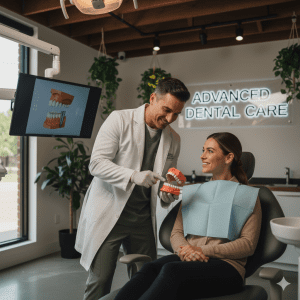
They can take control by staying calm and acting quickly. Whether it’s a knocked-out tooth, a severe toothache, or a broken crown, understanding which problems need immediate attention helps avoid further complications. Reliable guidance and prompt action make all the difference between saving or losing a tooth.
Many dental issues can be stabilized at home before professional care is available. With the right steps, anyone can minimize pain and stop small problems from turning serious. If uncertainty remains about what counts as an emergency, a licensed dentist can offer quick advice and treatment options to restore comfort and confidence.
Key Takeaways
- Recognize when urgent dental issues need professional attention
- Take quick, simple steps to protect teeth before reaching a dentist
- Prevent future emergencies with everyday oral care habits
What Constitutes a Dental Emergency?

A dental emergency involves sudden pain, injury, or infection that requires prompt professional care to prevent lasting damage or severe health complications. Quick recognition and a calm response can make a major difference in saving a tooth and relieving discomfort.
Common Types of Dental Emergencies
Dental emergencies usually include injuries or conditions that need immediate attention from a dentist or an emergency room. Knocked-out teeth, cracked or fractured teeth, severe toothaches, and abscesses are among the most urgent. A knocked-out tooth, for example, has the best chance of being saved if it’s reimplanted within an hour.
Severe pain often signals an infection that could spread beyond the tooth if left untreated. Swelling around the gums or jaw, bleeding that won’t stop, or broken restorations that expose nerves also call for emergency care.
Below are examples that may help identify emergencies more clearly:
| Type of Issue | Emergency Status | Immediate Step |
|---|---|---|
| Knocked-out tooth | Yes | Keep tooth moist; see dentist within 60 minutes |
| Severe toothache with swelling | Yes | Rinse with warm water; seek urgent care |
| Minor chip or lost filling | Usually no | Schedule routine dental visit |
| Bleeding after trauma | Yes | Apply gentle pressure; get professional help |
Recognizing these signs early helps protect both teeth and overall health.
When to Seek Immediate Help
It’s time to seek immediate dental help when pain or damage interferes with eating, speaking, or sleeping. Facial swelling, pus, or fever may indicate infection requiring antibiotics or drainage. Bleeding that continues after applying pressure for 10 minutes should be treated as urgent.
They should contact their dentist first, as many practices reserve emergency appointments. If facial bones are broken or breathing is affected, emergency room care is appropriate. In-home remedies like cold compresses and over-the-counter pain relievers can provide short-term relief but should not replace professional treatment.
Delaying care can lead to further complications such as bone loss, deeper infection, or tooth loss. Early action protects both comfort and health.
Differences Between Urgent and Non-Urgent Issues
Not every dental problem qualifies as an emergency. Urgent issues require same-day care because they involve extreme pain, traumatic injury, or infection. Non-urgent problems, like small chips, mild sensitivity, or routine cavities, can wait for a regular appointment.
A helpful way to distinguish them is to consider whether the condition threatens long-term oral health. If a problem causes significant pain, visible damage, or persistent bleeding, it’s likely urgent.
Here’s a quick comparison to clarify:
| Category | Examples | Recommended Action |
|---|---|---|
| Urgent | Knocked-out tooth, severe infection, broken crown causing pain | Call dentist or urgent care immediately |
| Non-Urgent | Small cosmetic chip, mild toothache without swelling | Schedule regular dental visit |
When uncertain, it’s safest to call the dental office for guidance. Dental professionals can assess the situation and advise the most suitable next step.
Immediate Steps to Take During a Dental Emergency

Quick response and steady action can prevent lasting damage to the teeth and gums. In any dental emergency, a calm approach, basic first aid knowledge, and proper handling of dental tissues make a major difference in treatment success.
Staying Calm and Assessing the Situation
Panic can worsen an already stressful moment. Taking a deep breath allows clearer thinking and more effective decision-making. When someone experiences a dental emergency, they should first evaluate the source of pain, the extent of visible damage, and any swelling or bleeding.
If the individual feels lightheaded, it helps to sit down and breathe slowly before continuing. They can gently rinse the mouth with warm water to remove debris and see the affected area more clearly. Identifying whether the problem is a tooth fracture, lost filling, or injury to the gums determines the next step.
A quick checklist may help:
| Action | Purpose |
|---|---|
| Rinse mouth with warm water | Cleans the area |
| Apply cold compress (if swollen) | Reduces swelling |
| Check for broken or lost teeth | Guides further action |
After initial assessment, contacting a dentist as soon as possible ensures proper treatment and pain management.
Managing Bleeding and Pain
Bleeding or throbbing pain often signals significant injury to soft tissue or teeth. Applying gentle pressure with clean gauze helps control bleeding. If the bleeding continues beyond ten minutes, the person should seek emergency care immediately.
Pain can often be eased with an over-the-counter pain reliever such as acetaminophen. Avoid applying aspirin directly on the gum or tooth, as it may irritate soft tissue. Keeping the head elevated and using a cold compress on the cheek can further reduce discomfort and swelling.
If a piece of the tooth breaks off, it should be stored in milk or a saline solution until professional care is available. This keeps the fragment moist and prevents further deterioration.
Handling a Knocked-Out Tooth
When a permanent tooth is dislodged, quick reaction within 30 to 60 minutes offers the best chance of saving it. The person should pick up the tooth by its crown—the white part—not the root—to avoid damaging delicate root cells.
Gently rinsing the tooth with saline or milk removes debris without scrubbing. If possible, placing the tooth back into its socket helps preserve it until treatment. If that’s not practical, storing it in milk or a tooth preservation solution keeps it viable.
They should call or visit an emergency dentist right away. Every minute counts, and the right care can mean the difference between saving and losing a natural tooth.
Common Dental Emergencies and How to Respond
Dental problems can happen suddenly—from cracked teeth to severe pain or swelling. Quick, calm action helps minimize damage, reduce discomfort, and protect long-term oral health.
Chipped or Broken Teeth
A chipped or broken tooth can result from biting something hard, a fall, or a sports injury. Even if the damage seems minor, it can expose sensitive tooth layers and increase the risk of infection. The first step is to rinse the mouth with warm water to clear debris. Applying a cold compress to the cheek helps control swelling.
If possible, save any broken pieces and keep them moist in milk or saline. Avoid chewing on the damaged side until a dentist repairs it. Dentists often use bonding, veneers, or crowns to restore shape and strength. Seeking prompt care prevents further cracking or nerve irritation.
Toothaches and Sensitivity
Tooth pain often signals decay, a cracked tooth, or gum issues. Mild discomfort may improve with gentle brushing and flossing to remove trapped food. For stronger pain, using an over-the-counter pain reliever and a cold compress can reduce inflammation. Avoid placing aspirin directly on the gums—it can burn tissue.
If tooth sensitivity worsens when exposed to hot or cold, dental enamel erosion or exposed roots may be responsible. A dentist can evaluate whether a filling, desensitizing treatment, or fluoride application will help. Persistent or throbbing pain should never be ignored, as it can point to infection or nerve damage.
Lost Dental Fillings or Crowns
A lost filling or crown leaves the affected tooth vulnerable to pain and damage. Rinse the area gently and try to keep the crown if possible—sometimes it can be temporarily reattached using dental cement from a pharmacy. Avoid using glue or household adhesives.
Until treatment, chew on the opposite side of the mouth and avoid sticky or hard foods. If the tooth feels sensitive, applying a small amount of dental wax or temporary filling material can protect the exposed area. A dentist can replace or permanently re-cement the restoration to safeguard the tooth and restore comfort.
Abscesses and Infections
A dental abscess or infection usually appears as a painful, swollen bump on the gum or jaw. It may cause throbbing pain, fever, or a bad taste in the mouth. This condition requires immediate dental attention because infections can spread to surrounding tissues or even the bloodstream.
While waiting for care, patients should rinse gently with warm salt water to help draw out fluid and reduce pain. Over-the-counter medication can ease discomfort, but the infection itself must be treated by a dentist, often through drainage, antibiotics, or root canal therapy. Quick treatment prevents serious complications and protects both oral and overall health.
When to Visit the Dentist or Emergency Room
Knowing whether to see a dentist or go to the emergency room can make a major difference in both comfort and recovery time. Prompt decisions reduce pain, prevent infection, and save unnecessary costs that often come from choosing the wrong care setting.
Recognizing Serious Symptoms
Certain dental problems need urgent care because they involve infection, severe pain, or trauma. Go to the emergency room if there is uncontrolled bleeding, facial swelling that impacts breathing or swallowing, or a suspected jaw fracture. These symptoms often signal deeper medical complications that hospital staff are better equipped to handle.
For most other urgent situations—like a cracked tooth, knocked-out crown, or persistent toothache—an emergency dentist is the right choice. Dentists can relieve pain, treat the source of infection, and often save a tooth that might otherwise be lost. Delaying care can worsen swelling or require more complex procedures later.
When symptoms are unclear, contacting a dental office for quick guidance helps determine the safest next step. Many dental teams offer after-hours advice or same-day appointments, preventing unnecessary ER visits.
Home Remedies Versus Professional Treatment
Some dental issues feel manageable at home, but it’s easy to misjudge their seriousness. Temporary relief such as rinsing with warm salt water, applying a cold compress, or taking over-the-counter pain medication can ease discomfort—but these steps do not replace professional treatment.
Safe at-home measures include:
- Gently cleaning the area with water.
- Using dental wax to cover a sharp edge on a broken filling.
- Storing a knocked-out tooth in milk until seen by a dentist.
However, if pain persists beyond a few hours, swelling increases, or pus appears, professional care becomes essential. Dentists have the tools to treat infection, repair damage, and prevent further complications. Seeking timely treatment protects oral health and offers lasting relief through proper diagnosis and modern care options.
Preventing Dental Emergencies in Everyday Life
Most dental emergencies can be avoided with consistent care, protective measures, and regular visits to a trusted dentist. Paying attention to small habits and early warning signs helps protect teeth from damage, pain, and infection before they become urgent problems.
Good Oral Hygiene Habits
Strong oral hygiene forms the foundation of prevention. Brushing twice daily with a soft-bristled toothbrush and fluoride toothpaste removes plaque that can weaken enamel and irritate the gums. Flossing once a day clears food and bacteria from areas a toothbrush can’t reach.
A balanced diet plays a key role as well. Limiting sugary snacks and acidic drinks helps prevent cavities and enamel erosion. Drinking plenty of water—especially after meals—washes away debris and supports saliva production, which naturally protects teeth.
People who grind their teeth at night should address it early. Persistent grinding can lead to fractures or sensitivity, and a dentist may recommend a custom night guard to reduce stress on the teeth. Sticking to these daily habits greatly lowers the risk of sudden pain or infection.
Protective Gear and Safety Tips
Accidents often cause chipped or knocked-out teeth, especially during sports or physical hobbies. Wearing a well-fitted mouthguard provides simple but effective protection against many types of injuries. Athletes involved in contact sports, such as basketball or soccer, benefit most from custom guards made by a dentist rather than store-bought versions, which may not fit securely.
Outside of sports, using caution with hard foods or non-food objects is important. Biting down on ice, opening packages with teeth, or chewing pens can cause cracks or broken fillings. To further reduce risk, keeping the jaw relaxed and avoiding sudden biting pressure helps protect the enamel.
Those who have orthodontic appliances or dental restorations should avoid sticky or overly hard foods to prevent damage. Simple awareness of daily habits can prevent most avoidable dental emergencies.
Regular Dental Checkups
Routine checkups allow dentists to identify and treat small issues before they escalate. During a standard visit, a dentist examines the teeth, gums, and soft tissues, often using digital X-rays to detect hidden decay or bone changes. Early detection prevents serious complications that may lead to urgent care visits later.
Professional cleanings remove tartar buildup that daily brushing can’t handle. This helps prevent gum disease and strengthens the teeth’s long-term health. Dental teams also use these visits to review hygiene techniques and recommend products suited to an individual’s needs.
Many patients benefit from seeing their dentist every six months, though some may need more frequent visits. Regular care ensures peace of mind and keeps small concerns from turning into painful emergencies.
Frequently Asked Questions
Accessing urgent dental care can feel overwhelming, especially when it happens suddenly. Understanding where to go, who to contact, and what counts as an emergency helps patients act quickly and protect their oral health.
How can I handle a dental emergency if I don’t have insurance?
People without dental insurance can still receive emergency care. Many clinics offer discounted rates, payment plans, or membership programs to reduce costs. Community health centers or dental schools often provide treatment at a lower fee, especially for urgent needs like infections or broken teeth.
Acting fast prevents larger complications and higher expenses later, so delaying care rarely saves money in the long run.
What are my options for 24-hour emergency dental care?
Some dental offices stay open after hours or rotate on-call schedules for emergencies. Larger cities often have 24-hour emergency dental clinics that handle urgent cases like severe toothaches, abscesses, or injuries.
If these options aren’t available nearby, urgent care centers can help manage pain or swelling until a dentist can provide definitive treatment.
Who should I contact if I experience a dental emergency over the weekend?
When a dental emergency happens late Friday night or on a Sunday, patients can reach out to a dentist’s voicemail or on-call line. Most dental offices post emergency contact numbers or instructions online.
If a response isn’t immediate and the issue involves significant pain, bleeding, or swelling, going to an urgent care clinic or hospital emergency department is appropriate.
Where can I find immediate dental care in my area?
People can locate nearby emergency services by searching online for “emergency dentist near me” or checking local dental association websites. Many dental offices clearly list their emergency availability and contact hours.
For rural areas or smaller towns, calling the nearest general dentist or hospital can direct patients to the right place for care.
What are some common examples of dental emergencies?
Dental emergencies often include a knocked-out tooth, severe toothache, cracked or broken tooth, dental abscess, or uncontrolled bleeding after an injury. A swollen face or pain that prevents normal chewing or sleeping also signals the need for urgent treatment.
These problems can worsen quickly, so prompt professional care helps avoid infection and save teeth whenever possible.
Are there hospitals that provide emergency dental services?
While most hospitals don’t have dentists on staff, they can manage emergencies involving infection, trauma, or uncontrolled bleeding. The emergency department may prescribe medication, drain an abscess, or stabilize injuries until a dentist is available.
In cities with dental schools or larger medical centers, patients may find hospitals that coordinate directly with an oral surgeon or emergency dental team.