
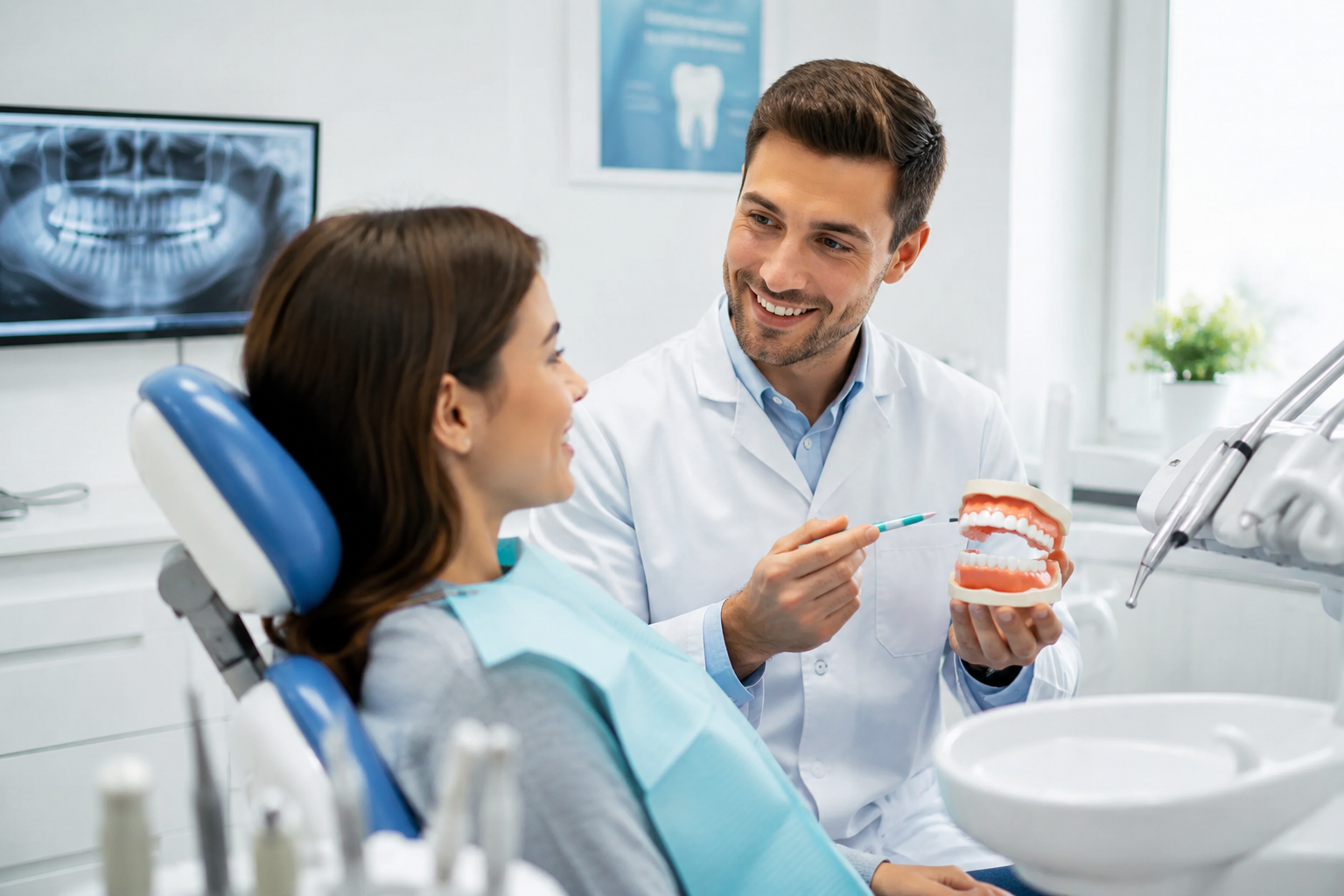
Looking for a reliable family dentist in San Diego, CA? You’ll find compassionate care that fits every age, from toddlers to grandparents, with services that focus on prevention, comfort, and long-term oral health. A trusted family dentist in San Diego provides personalized, modern care that keeps your whole family smiling and prevents small problems from becoming big ones.
They use the latest gentle techniques and technology to make visits efficient and less stressful, while offering restorative and cosmetic options when you need them. Expect clear explanations, practical tips for daily care, and a comfort-first approach that makes scheduling regular visits simple and stress-free.
Personalized Dental Care for All Ages
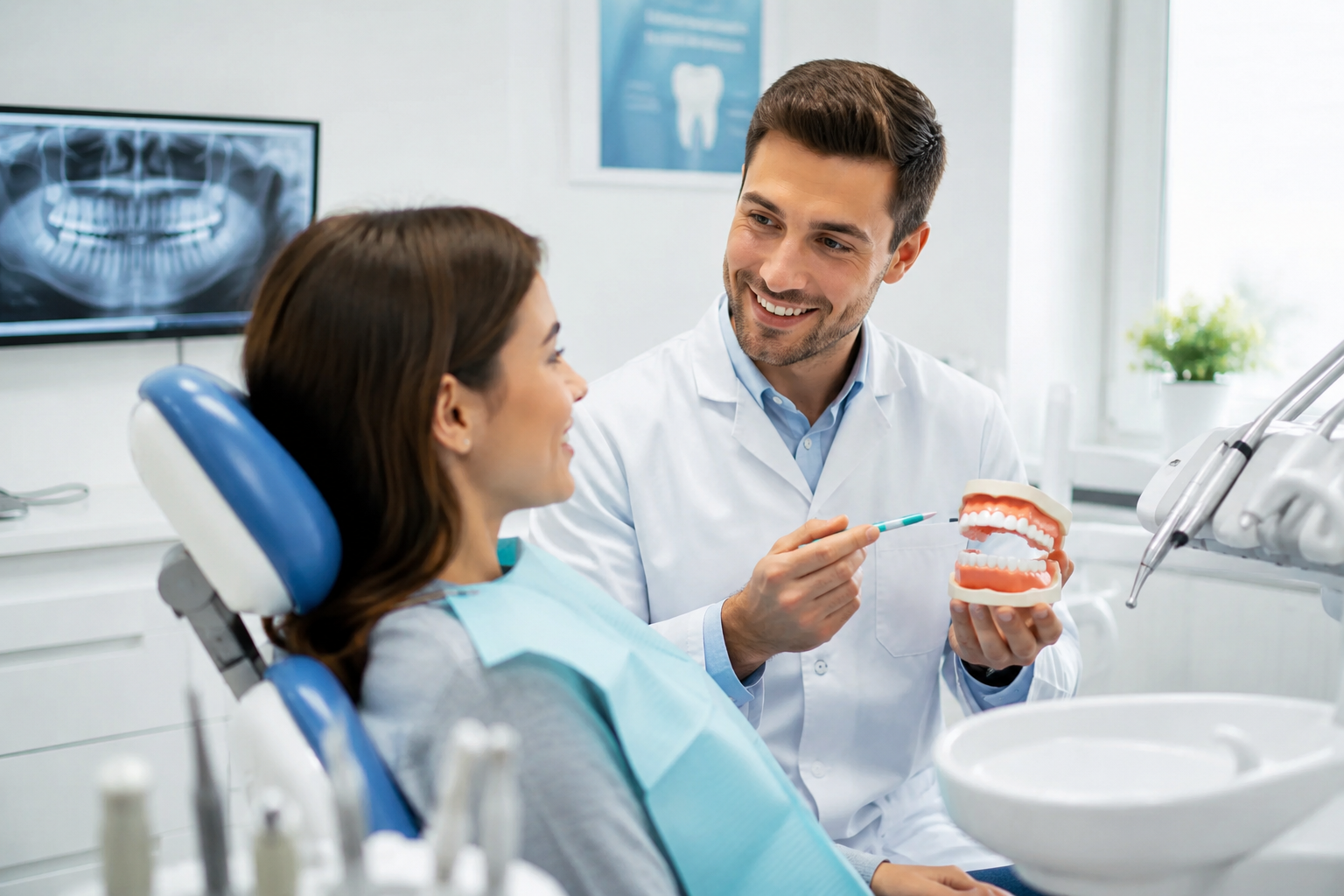
This practice focuses on comfort, prevention, and age-appropriate treatment. Appointments range from toddler sealants to geriatric denture adjustments, with consistent record-keeping and family scheduling to simplify care.
Gentle Pediatric Dentistry
The team uses child-friendly language, short visits, and distraction techniques to reduce anxiety during exams and cleanings. They perform fluoride varnish, dental sealants, growth and bite assessments, and early cavity detection with digital X-rays when needed.
Parents receive clear instructions for home care, including brushing technique, cavity-risk foods to limit, and guidance on pacifier or thumb-sucking habits. The office offers behavior guidance methods like tell-show-do and positive reinforcement, plus phased treatment plans for fillings to avoid traumatic single visits.
Vaccination and medical-history reviews occur at every pediatric visit to ensure safe anesthesia choices and medication interactions. The clinic schedules recall visits based on risk — typically every three to six months for high-caries children and every six months for low-risk kids.
Adult Dental Wellness Programs
Adults get personalized preventive plans combining twice-yearly cleanings, periodontal screening, and risk-based imaging. The program includes oral cancer checks, dietary counseling related to acid erosion, and personalized fluoride or desensitizing treatments for sensitive teeth.
Restorative needs such as fillings, crowns, and onlays use tooth-conserving materials and same-day CAD/CAM options when available. Patients with bruxism receive night guards fitted from digital impressions; those with TMJ pain get conservative therapy and referral options for ongoing care.
Cosmetic and functional improvements—teeth whitening, veneers, and implant restorations—follow a diagnostic process with photos and mock-ups so patients can see expected outcomes. Financial options and phased treatment plans help patients prioritize essential care without surprising costs.
Family Dental Appointments Made Easy
The office offers staggered or back-to-back scheduling so families can attend multiple appointments in one visit. Administrative staff coordinates insurance benefits, pre-authorizations, and consolidated billing to reduce paperwork and out-of-pocket surprises.
Clinical records are shared across the care team, enabling the dentist to track growth patterns, hereditary risks, and previous treatments for each family member. The practice also provides reminder texts, online forms, and a secure patient portal for treatment plans, balance estimates, and appointment management.
Accessibility features include wheelchair access, evening hours twice a week, and multilingual staff to accommodate diverse San Diego households. Emergency slots are reserved daily to address sudden pain or trauma without a long wait.
Modern Preventive Dentistry
Modern preventive dentistry focuses on routine care that prevents pain, decay, and costly treatments later. It emphasizes scheduled cleanings, targeted topical therapies, and early detection methods that preserve natural teeth and overall health.
Professional Cleanings and Exams
Professional cleanings remove plaque and tartar from above and below the gumline using ultrasonic scalers and hand instruments. Hygienists polish tooth surfaces and apply plaque-disclosing agents when needed to show problem areas for better home care.
Comprehensive exams include visual inspection, periodontal charting, and bite evaluation. Digital X‑rays or low‑dose 3D imaging reveal hidden decay, bone loss, and impacted teeth with precise detail.
The team customizes recall intervals—typically every six months, but more often for patients with gum disease, high decay risk, or diabetes. These visits also offer oral cancer screening and counseling on brushing, flossing, diet, and tobacco cessation.
Sealants and Fluoride Treatments
Dental sealants are thin, protective resins painted into molar grooves to block bacteria and food particles. They typically take one appointment, bond to enamel, and last several years with periodic checks and repairs.
Topical fluoride treatments strengthen enamel by promoting remineralization and reducing sensitivity. Dentists use concentrated gels or varnishes during visits; some patients receive prescription fluoride toothpaste or rinses for home use.
Both sealants and fluoride are especially effective for children and teens, but adults with deep pits, fissures, or root exposure also benefit. The clinic assesses individual risk and recommends a combination of sealants, fluoride, and at‑home fluoride strategies.
Cavity Detection and Early Intervention
Early detection uses bitewing X‑rays, laser fluorescence devices, and visual-tactile exams to find demineralization before full cavities form. Detecting lesions early allows for non‑invasive treatments that halt progression.
Non‑surgical interventions include fluoride varnish, remineralizing agents (CPP‑ACP), and resin infiltration that seals and stabilizes early lesions. These approaches preserve enamel and avoid fillings when applied promptly.
When restorations are necessary, the practice favors conservative options: tooth‑colored composite fillings, inlays, or onlays to maintain structure. They explain material choices, expected lifespan, and maintenance, inviting questions and planning follow‑up care.
Comfort-First Approach to Dental Visits
The practice prioritizes patient ease through a calm office, gentle techniques, and tailored anxiety relief. Expect clear explanations, modern pain-control options, and staff trained to reduce stress for children and adults alike.
Welcoming Office Atmosphere
The reception area uses warm lighting, comfortable seating, and a discreet kid-friendly zone with books and toys to make arriving less stressful. Staff greet patients by name and confirm appointment details promptly to shorten wait times.
Treatment rooms feature softened music, noise-minimizing equipment, and blankets on hand for added comfort. Clear signage and step-by-step explanations of procedures reduce uncertainty. Intake forms and medical-history reviews are handled digitally to streamline visits and limit time in the waiting area.
Accessibility elements include ground-floor or elevator access, ADA-compliant restrooms, and adjustable dental chairs that accommodate different body sizes. Bilingual staff or interpretation services are available when requested to ensure clear communication for non-English speakers.
Pain-Free Treatment Techniques
Dentists use topical anesthetics before injections to numb the surface and make numbing shots less noticeable. They administer local anesthesia with slow, computer-controlled delivery systems (e.g., The Wand) to reduce pressure and discomfort during injections.
For restorative work, dentists employ modern rotary instruments and suction systems that cut faster and cooler, which lowers post-op soreness. Laser dentistry is available for gum procedures, offering reduced bleeding and faster healing compared with traditional scalpels.
Post-procedure pain control follows a clear plan: prescription or over-the-counter analgesics as appropriate, cold-compress guidance, and written aftercare instructions. Sedation options (nitrous oxide, oral sedatives) pair with local anesthesia to keep procedures painless while maintaining safety.
Options for Dental Anxiety Relief
The practice assesses anxiety levels at the first visit and documents triggers in the chart to personalize care. For mild anxiety, staff offer distraction tools—noise-cancelling headphones, music playlists, or guided breathing cues—to help patients remain calm.
Nitrous oxide (laughing gas) offers rapid onset and fast recovery, letting patients stay responsive while significantly reducing fear. For moderate to severe anxiety, dentists prescribe oral sedatives to be taken before appointments and monitor vitals throughout treatment.
For patients needing deeper comfort, IV sedation administered by a trained clinician provides controlled sedation and amnesia for longer or complex procedures. The office follows strict safety protocols: pre-op screening, fasting instructions, and post-op transport arrangements when sedation is used.
Restorative Treatments for Healthy Smiles
These restorative options repair decay, restore bite function, and preserve natural teeth using modern, comfortable techniques. Each treatment balances durability with appearance so patients leave with a healthy, natural-looking smile.
Tooth-Colored Fillings
Tooth-colored (composite) fillings match natural enamel and bond directly to tooth structure. The dentist removes decayed tissue, cleans the area, and layers composite resin, curing each layer with a light to build strength and shape.
Composites conserve more healthy tooth than traditional amalgam because they bond to enamel and dentin. They work well for small-to-medium cavities and for repairing chipped or worn edges.
Benefits include color-matching, minimal tooth removal, and reduced sensitivity when placed properly. Typical lifespan ranges from 5–10 years depending on bite forces, oral hygiene, and bruxism; routine checkups identify wear early. Patients concerned about aesthetics or metal allergies often choose composite fillings.
Dental Crowns and Bridges
Crowns cap damaged teeth to restore shape, strength, and appearance; bridges replace one or more missing teeth by anchoring to adjacent crowns. Dentists prepare the tooth by reducing its size, take impressions or digital scans, and fit a temporary crown while the lab fabricates the final restoration.
Materials include porcelain-fused-to-metal, all-ceramic (zirconia), and porcelain layered over zirconia. All-ceramic crowns offer the best color match for front teeth, while zirconia provides superior strength for molars. Bridges span the gap of a missing tooth with pontics secured to crowns on neighboring teeth or to implant abutments.
Care involves daily brushing, flossing under the pontic with superfloss or interdental brushes, and routine professional exams. With proper maintenance, crowns and bridges commonly last 10–15 years or longer.
Root Canal Therapy
Root canal therapy saves teeth when decay or trauma infects the pulp (nerve and blood supply) inside a tooth. The dentist or endodontist removes infected tissue, disinfects the canals, and seals them with a biocompatible material to prevent reinfection.
Modern techniques use local anesthesia, rubber dams for isolation, and rotary instruments or ultrasonic tips for efficient cleaning. After root canal therapy, most teeth receive a protective crown to restore strength and prevent fracture.
Success rates exceed 85–95% when performed and restored properly. Patients typically experience relief from pain after treatment and resume normal chewing; follow-up visits confirm healing and long-term success.
Cosmetic Enhancements for Confidence
Patients often want practical, predictable ways to brighten and straighten teeth without disrupting daily life. The options below focus on safety, expected results, appointment time, and maintenance.
Teeth Whitening Options
In-office whitening uses concentrated hydrogen peroxide gels and a controlled light or laser to lift deep stains in one 60–90 minute visit. Dentists protect gums with barriers and monitor sensitivity; most patients see 6–10 shades of improvement, depending on stain type (tobacco, coffee, aging).
Take-home custom trays offer gradual whitening with lower-concentration peroxide applied nightly for 1–2 weeks. Trays fit the patient’s teeth precisely, which reduces gum irritation compared with store strips.
Over-the-counter strips and toothpaste remove surface stains but rarely match professional results and can cause uneven color or sensitivity if misused.
Sensitivity management includes desensitizing pastes, shorter application times, and prescription fluoride rinses. Dentists evaluate enamel health first; whitening is not recommended on active decay, exposed roots, or certain restorations.
Clear Aligners for Straighter Teeth
Clear aligners use a series of custom, removable trays to shift teeth incrementally, usually worn 20–22 hours per day. Most mild-to-moderate crowding or spacing cases complete treatment in 4–18 months; the dentist or orthodontist maps movement with digital scans and shows a projected outcome before starting.
Aligners allow eating and brushing without appliance restrictions, improving oral hygiene during treatment. Periodic check-ins every 6–10 weeks ensure aligners fit and adjust the plan if teeth respond differently than projected.
Limitations include complex bite corrections that may still need braces or adjunctive attachments. Costs vary by complexity; many practices offer financing and clear comparisons between in-office aligners and third-party options. Retainers after treatment preserve results; the provider specifies a retention schedule based on the case.
Oral Health Education and Community Outreach
This section highlights practical home-care steps families can use daily and describes outreach efforts that bring preventive dentistry to schools and community centers. Both parts focus on clear, actionable guidance and local programs that make dental care accessible.
Tips for Home Care Success
Families should use a fluoride toothpaste and a soft-bristled brush twice daily for two minutes each time. Caregivers can set a timer or use a brushing app to help children develop consistent timing.
Flossing once daily removes plaque between teeth; a child can use floss picks or interdental brushes if dexterity is limited. For toddlers, parents should clean gums with a damp cloth and begin flossing as soon as two teeth touch.
Limit sugary drinks and sticky snacks; offer water and whole fruits instead. Rinse the mouth with water after acidic or sugary foods to reduce enamel softening.
Schedule dental checkups every six months or as the dentist recommends. Bring up fluoride varnish, sealants for molars, and age-appropriate oral hygiene techniques with the dentist at visits.
School and Community Programs
Local dental offices often partner with San Diego schools and community centers to provide screenings, fluoride varnish clinics, and sealant programs. These events reduce barriers by offering services at low or no cost.
Educational assemblies can demonstrate brushing and flossing with oversized models, while take-home kits give families toothbrushes, floss, and printed care steps. Bilingual materials and culturally sensitive messaging help reach diverse neighborhoods.
Mobile clinics and in-school sealant programs target children at higher risk for cavities, coordinating with parents for consent and follow-up care. Community workshops also train teachers and caregivers to spot early signs of decay and refer children for treatment.
Residents can contact their family dentist to learn about upcoming events or to request a school visit, making preventive care easier to access for busy families.
Choosing a Dental Home in San Diego
Selecting a dental practice affects daily routines, long-term oral health, and how comfortable family members feel at appointments. Prioritize credentials, communication style, and services that match each family member’s needs.
Trusted Qualifications and Experience
Patients should verify that dentists hold a current California dental license and are registered with the Dental Board of California. Look for additional credentials such as ADA membership, continuing education in pediatric dentistry, implant training, or anesthesia certification for sedation options.
Experience with family dentistry matters: practices that treat infants through seniors will have protocols for child behavior management, adolescent orthodontic needs, and geriatric oral care. Ask how many years the dentist has practiced in San Diego and for examples of cases similar to your family’s needs.
Review patient testimonials and third-party ratings to confirm reliability and bedside manner. Confirm the office’s infection-control procedures, emergency care availability, and whether specialists (endodontist, periodontist, oral surgeon) collaborate in-network.
Check insurance participation and flexible payment options up front; a skilled dentist who understands Medi-Cal, Humana, Delta Dental, or private PPO plans reduces billing surprises.
What to Expect at Your First Visit
The first visit usually begins with new-patient paperwork covering medical history, medications, and dental concerns. The hygienist or assistant will take digital X-rays and intraoral photos when needed; these images guide diagnosis and help the dentist explain findings clearly to the family.
A comprehensive exam follows: soft-tissue check, periodontal charting, bite evaluation, and cavity screening. The dentist will discuss preventive care—cleaning frequency, sealants for children, and fluoride options—and outline any recommended treatments with timelines and cost estimates.
Expect a conversation about comfort measures: local anesthesia, nitrous oxide, or distraction techniques for children. The office should provide a written treatment plan and answer questions about scheduling, follow-up visits, and at-home care tailored to each family member.
Embracing the Latest Dental Technology
Patients benefit when a family dentist in San Diego CA invests in modern tools that improve comfort, speed, and outcomes. Digital X-rays reduce radiation and provide instant images, so dentists can explain findings clearly and plan treatment on the spot.
Intraoral cameras let patients see exactly what the dentist sees. This boosts understanding and trust, especially for children or anxious adults who appreciate visual explanations.
CAD/CAM systems can create same-day crowns and restorations. Fewer appointments mean less time away from work or school and faster restoration of function and appearance.
Laser dentistry offers gentler treatment for gum procedures and cavity preparation. It often reduces bleeding, swelling, and recovery time, which patients value for both comfort and convenience.
3D cone beam CT scans provide detailed views of bone, nerves, and tooth position for complex care like implants or orthodontic assessment. The dentist uses this information to tailor treatment and minimize surprises.
Sedation options and ergonomically designed operatories improve patient comfort during longer procedures. The team focuses on creating a calm environment and clear communication throughout treatment.
Common technologies at a modern family practice:
- Digital X-rays — quicker diagnosis, lower radiation
- Intraoral cameras — better patient education
- CAD/CAM — single-visit crowns and bridges
- Lasers — less invasive soft-tissue care
- 3D CBCT — precise surgical planning
They encourage patients to ask about available technologies and how those tools change the experience. A quick conversation can clarify options and next steps for personalized, comfortable care.
Building Lifelong Healthy Habits
A family dentist in San Diego, CA, helps patients create daily routines that protect smiles for life. They emphasize simple, consistent habits that fit busy family schedules.
Brushing twice a day with fluoride toothpaste remains the foundation. Short, effective technique matters more than harsh scrubbing; gentle circular motions and two minutes make a big difference.
Flossing once a day removes plaque between teeth and reduces gum inflammation. For children or those with limited dexterity, interdental brushes or floss holders provide easier, reliable options.
Regular dental checkups and cleanings reinforce good habits and catch problems early. Many practices offer reminder systems and family appointments to simplify prevention for parents and kids.
Nutrition affects oral health, so a dentist advises reducing sugary snacks and choosing tooth-friendly options. Water, whole fruits, dairy, and crunchy vegetables help strengthen enamel and support saliva production.
Sealants and fluoride treatments give extra protection for children and high-risk adults. These preventive services are quick in-office procedures that lower the chance of cavities.
A supportive dental team tailors recommendations to each family member’s needs. They teach proper technique, set realistic goals, and adjust plans as children grow or health changes.
Encourage open communication about dental fears or challenges. The dentist can suggest comfort measures, modern sedation options, and stepwise approaches to build confidence.
Patients are invited to ask questions and schedule a consult to develop a personalized prevention plan that fits their family’s life.
Your Next Steps Toward a Happier Smile
They should start by scheduling a checkup to establish a baseline for oral health. A short exam and X-rays reveal issues early and help tailor a plan that fits the whole family.
Patients can prioritize preventive care with routine cleanings and at-home habits. Brushing twice daily, flossing, and using fluoride toothpaste reduce cavities and sensitivity over time.
If restorative or cosmetic work is needed, the dentist will explain options in plain language. Clear choices—like fillings, crowns, implants, or teeth whitening—come with expected timelines, costs, and comfort measures.
Families may benefit from flexible appointment times and child-friendly care to reduce anxiety. Many practices offer sedation or distraction techniques for nervous patients and step-by-step explanations to build trust.
Use this quick checklist to prepare for the first visit:
- Bring a list of current medications and health conditions.
- Note any dental concerns or pain, however small.
- Bring dental insurance details and questions about financing.
They should call or use online booking to request an appointment, mention any special needs, and ask about new-patient forms. Friendly staff can confirm what to bring and what to expect at the first visit.
Encourage questions during the visit; dentists welcome them and will explain procedures in everyday terms. A brief conversation now often prevents bigger problems later and leads to a more confident, comfortable smile.
Frequently Asked Questions
This section answers practical concerns about choosing care, what happens at visits, costs and insurance, differences between specialists, home prevention, and benefits of family-owned practices. It focuses on clear steps families can take and what to expect from a trusted San Diego family dentist.
How do I choose a family dentist that’s a good fit for both kids and adults?
Look for a practice that lists experience treating patients of all ages and uses a calm, patient-centered approach. Confirm that the dentist and staff offer behavior techniques for children, such as tell-show-do, and that they explain procedures in plain language to adults.
Check credentials and continuing education on preventive care, pediatric behavior management, and restorative treatments. Read local reviews and ask about office policies on appointment length, sedation options, and emergency care for same-day needs.
Tour the office if possible to observe the environment and ask about equipment like digital X-rays and intraoral cameras. Comfortable waiting areas, child-friendly distractions, and staff who greet families by name are good indicators of family-focused care.
What should I expect at a first visit, and how can I help my child feel comfortable?
Expect a health-history review, a gentle oral exam, and diagnostic X-rays if indicated. The dentist will assess teeth, gums, bite development, and risk factors, then outline a care plan and any preventive steps.
Prepare your child by using simple, honest language about the visit and avoiding negative words like “pain” or “shot.” Bring a favorite toy or book and schedule during times when the child is typically rested and cooperative.
The team will move at the child’s pace and may demonstrate tools on a parent’s hand first. Positive reinforcement and short, clear instructions usually help children stay calm and cooperative.
How much does a routine checkup and cleaning usually cost, and what does insurance typically cover?
In San Diego, a routine adult exam and cleaning commonly ranges from $90–$200 without insurance; pediatric visits often cost slightly less. Price varies by office, services performed, and diagnostic X-rays.
Most dental insurance plans cover two preventive visits per year at little or no out-of-pocket cost after deductibles. Coverage typically includes exams, prophylaxis (cleaning), and bitewing X-rays; restorative work like fillings or crowns may carry copays or percentages.
Always verify benefits before the appointment and ask the office to submit claims. Many practices provide cost estimates and flexible payment options or membership plans for uninsured families.
What’s the difference between a family dentist and a pediatric dentist, and when should we see each one?
A pediatric dentist completes additional residency training focused solely on children’s oral development, behavior management, and complex pediatric cases. A family dentist treats children and adults and manages routine pediatric care, preventive services, and common restorative needs.
See a pediatric dentist for very young children with special needs, severe dental anxiety, complex dental development issues, or when advanced behavior management or sedation is likely. Choose a family dentist for continuity of care, routine preventive visits, and whole-family coordination.
Both specialties can refer to each other when higher-level care or specialty services are needed, ensuring the child receives appropriate treatment.
What are the most effective ways to prevent cavities and gum disease at home between visits?
Brush twice daily with a fluoride toothpaste for two minutes each session and floss once daily to remove plaque between teeth. Use a soft-bristle brush and replace it every three months or after illness.
Limit sugary snacks and sticky foods, and encourage water over juice or soda. Consider fluoride rinses or dental products recommended by the dentist for children at higher risk of decay.
Schedule professional cleanings every six months or as recommended based on individual risk. The dentist may suggest sealants for molars or targeted fluoride treatments for additional protection.
Do family-owned dental practices offer any unique benefits compared with larger dental chains?
Family-owned practices often provide personalized care and continuity because patients see the same dentist and staff over time. That familiarity helps tailor preventive plans and build trust with children and adults.
They may offer more flexible scheduling, direct contact with the care team, and decisions made locally rather than by corporate policy. Many emphasize community involvement and long-term relationships with local families.
Patients should compare the services, technology, and transparency of fees rather than ownership type alone to choose the best fit for their needs.