
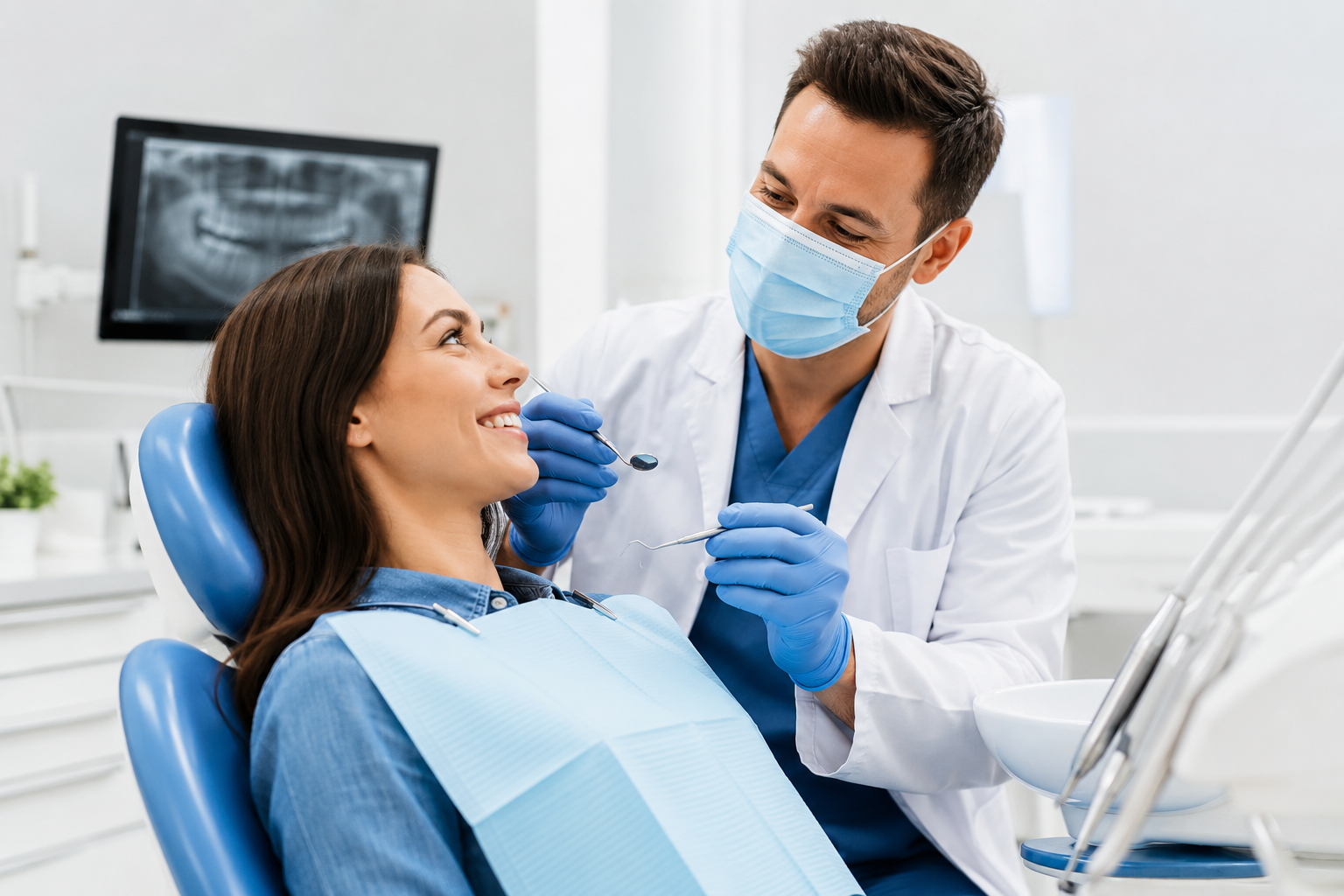
You weigh practical, everyday care against specialized procedures when deciding between general dentistry and alternatives in San Diego. General dentists handle routine prevention, exams, fillings, crowns, and basic restorative work, while specialists step in for complex needs like root canals, implants, or orthodontics. This article helps you see which path fits your dental goals and lifestyle.
Local factors—insurance networks, specialty availability, and comfort with modern techniques—shape your choice in San Diego. Expect clear comparisons of benefits, costs, and when to seek advanced care so you can pick the right care with confidence.
Understanding General Dentistry
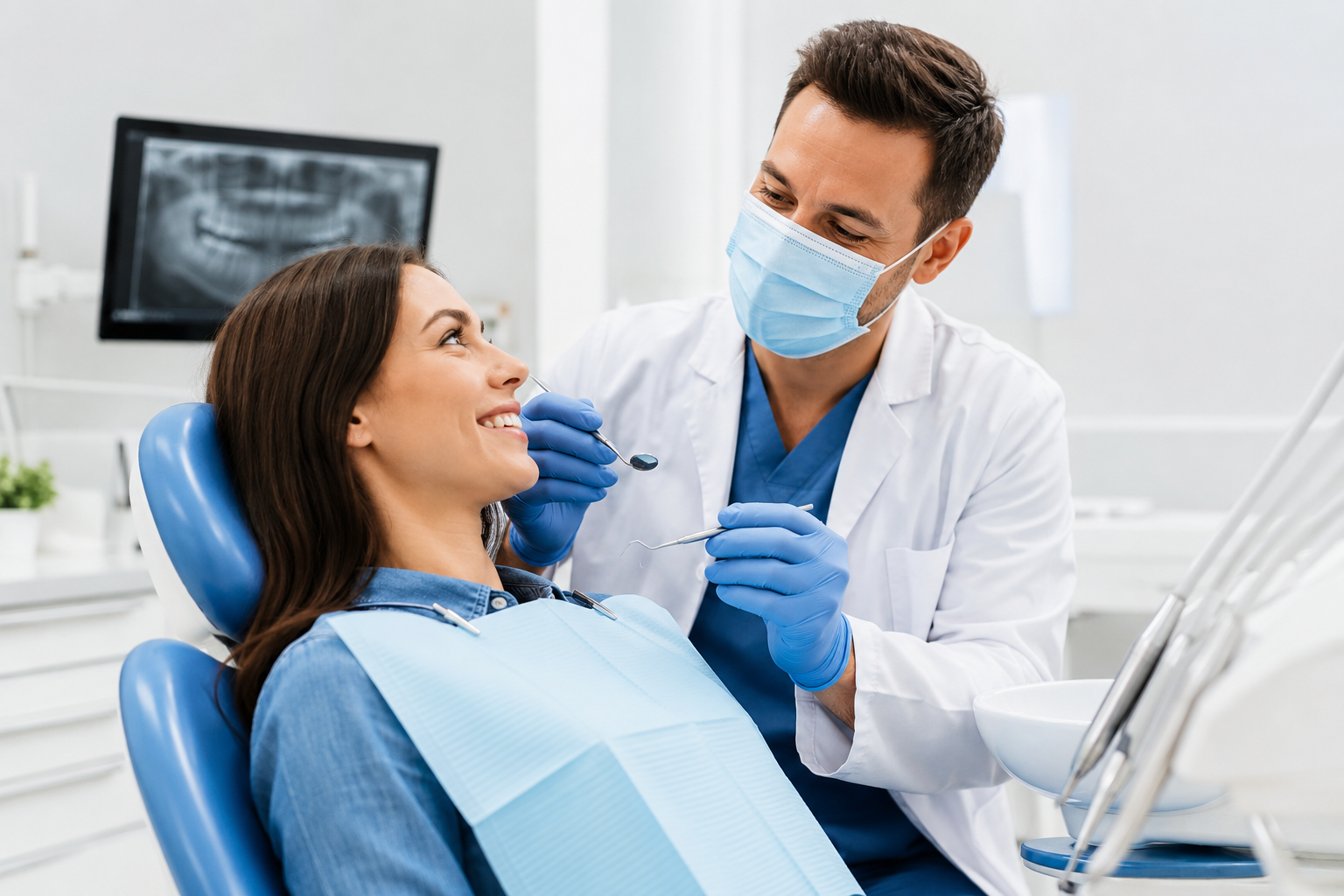
General dentistry covers routine oral exams, cleanings, cavity care, X-rays, and preventive guidance. It also addresses tooth pain, gum issues, and basic restorative work to keep chewing, speech, and appearance functioning well.
What General Dentists Do
General dentists diagnose and treat common oral health problems such as cavities, gum inflammation, and minor tooth fractures. They perform exams, take bitewing and periapical X-rays, and chart findings to track changes over time.
They remove decay and place fillings (composite or amalgam), fit crowns for broken or weakened teeth, and extract non-restorable teeth when necessary. They also manage acute pain and infections with drainage, antibiotics, or root canal referral when needed.
General dentists coordinate care for chronic conditions like dry mouth or bruxism, offering night guards, fluoride treatments, and home-care instructions. They refer patients to specialists—periodontists, endodontists, or oral surgeons—when advanced procedures or complex care are required.
Common Treatments Offered
Preventive services include professional cleanings, periodontal maintenance, and topical fluoride to reduce decay risk. Dentists perform routine oral cancer screenings and digital radiographs to detect hidden problems early.
Restorative options include tooth-colored fillings, inlays/onlays, and full-coverage crowns made from porcelain or zirconia. For missing teeth, general dentists provide fixed bridges or coordinate implant restorations with implant surgeons and labs.
Cosmetic procedures often offered are teeth whitening, composite bonding, and porcelain veneers to improve shape and color. They also manage occlusal concerns with bite adjustments and custom occlusal guards for clenching or grinding.
Focus on Preventive Care
Preventive care emphasizes regular 6-month exams and cleanings, which remove plaque and calculus that brushing alone cannot. Dentists assess gum pocket depths and attach periodontal charting to monitor early signs of gum disease.
They apply targeted fluoride varnish and dental sealants for patients at higher caries risk, especially children and those with dry mouth. They educate about brushing technique, interdental cleaning (floss or water flosser), and diet changes that lower sugar exposure.
Risk assessment includes reviewing medical history, medications that reduce saliva, and lifestyle factors like tobacco use. Personalized recall schedules and oral-health plans help patients maintain teeth and gums with the least invasive interventions possible.
Specialty Dental Care Options
This section outlines targeted care beyond routine checkups, focusing on aesthetic improvements, tooth alignment, and child-focused services. Each option highlights typical procedures, expected outcomes, and factors patients should consider when choosing care in San Diego.
Cosmetic Dentistry Treatments
Cosmetic dentistry focuses on improving appearance and function. Common procedures include teeth whitening, porcelain veneers, composite bonding, and crown restorations. Teeth whitening lightens intrinsic and extrinsic stains using in-office bleaching or take-home trays with professional-strength peroxide. Veneers are thin porcelain shells bonded to front teeth to correct shape, size, and color; they require enamel reduction and several appointments. Composite bonding uses tooth-colored resin for small chips or gaps and often completes in one visit.
Patients should weigh durability, cost, and maintenance. Veneers and crowns last longer but cost more. Whitening and bonding are less invasive but may need more frequent touch-ups. San Diego patients often choose practices that combine digital shade matching, same-day milling for crowns, and sedation options for comfort.
Orthodontic Solutions
Orthodontic care corrects alignment, bite issues, and spacing for both teens and adults. Traditional metal braces remain effective for complex movements. Clear ceramic braces blend with teeth for fewer visual cues. Removable aligner systems (e.g., Invisalign) use a planned series of clear trays to shift teeth gradually and suit many mild-to-moderate cases. Treatment time ranges from several months to two years depending on severity and patient compliance.
Important considerations include treatment plan transparency, frequency of office visits, and retention strategy. Retainers—fixed or removable—prevent relapse after active treatment. Adults should discuss restorative plans alongside orthodontics if crowns or implants are present. Many San Diego clinics offer digital scans and virtual progress tracking to reduce appointment time.
Pediatric Dentistry for Children
Pediatric dentistry addresses growth, behavior guidance, and early preventive care from infancy through adolescence. Services include routine exams, fluoride varnish, dental sealants on molars to prevent decay, habit counseling (thumb sucking), and pulpotomies for primary tooth decay. Pediatric dentists use behavior management techniques and child-sized equipment to lower anxiety and build trust.
Early visits establish a “dental home” and allow monitoring of eruption patterns and bite development. Parents should expect education on brushing techniques, dietary advice to reduce sugar exposure, and schedules for fluoride and sealant application. For special needs children, San Diego pediatric dentists often coordinate with schools and specialists and offer sedation options when necessary.
Comparing Benefits for San Diego Patients
This section highlights how treatment choices affect comfort, scheduling, cost, and long-term oral health for people living in San Diego. It focuses on practical differences patients notice at the first visit, during treatment, and over follow-up care.
Personalized Treatment Experiences
Dentists in San Diego typically tailor care based on a patient’s oral health history, cosmetic goals, and lifestyle. A general dentist often starts with a comprehensive exam, digital X‑rays, and a personalized treatment plan that balances preventive care (cleanings, sealants) with restorative needs (fillings, crowns).
Specialized alternatives—like orthodontists or periodontists—offer focused protocols for specific issues. For example, an orthodontist will use 3D scans to map tooth movement over months, while a periodontist may recommend targeted regenerative procedures for gum loss. These specialists coordinate with general dentists when treatment overlaps.
Cost and insurance coverage vary by provider and procedure. General dentistry tends to cover routine prevention under basic plans, whereas specialty procedures may require pre-authorization or a referral. Patients should ask for itemized estimates and verify in-network status to avoid surprise bills.
Comfort options differ across practices. Many San Diego clinics provide local anesthesia, sedation dentistry, and noise-cancelling features. Patients with dental anxiety should request sedation options and a walk-through of what to expect at the first appointment.
Accessibility and Convenience
Location and office hours directly affect adherence to care. Many San Diego general dentists offer weekday and early evening hours to accommodate commuters and families. Some clinics near transit hubs or major thoroughfares reduce driving time and parking hassles.
Walk-in availability and same-week emergency slots are common among general practices but less so with specialists. For urgent toothaches or broken restorations, a general dentist can often evaluate and stabilize the problem the same day, then refer for specialized care if needed.
Technology also shapes convenience. General dental offices increasingly use telehealth for post-op checks and appointment triage, and they employ online booking, text reminders, and integrated billing. Specialists may offer similar tools but sometimes require in-person diagnostic work before virtual follow-ups.
Patients should verify whether a provider accepts their insurance, offers payment plans, and provides clear referral pathways. Those factors influence not only cost but continuity of care across San Diego’s dental network.
Cost Considerations and Insurance Factors
Patients should expect variation in pricing by procedure, provider, and material choice. Insurance plans and out-of-pocket caps often determine whether general dentistry or alternatives make financial sense.
Average Costs of Different Services
Typical preventive care at many San Diego general practices runs $100–$250 for a cleaning and exam without X-rays. Fillings for a single surface composite commonly cost $150–$350; complications or multiple surfaces raise the price.
Root canals on molars average $900–$1,600 in the region, while simple extractions often fall between $150–$400; surgical extractions can reach $450–$1,200. Dental implants, including crown and abutment, usually range $3,000–$6,000 per tooth depending on implant system and bone graft needs.
Cosmetic alternatives such as porcelain veneers typically cost $900–$2,500 per tooth. Clear aligner therapy in San Diego averages $2,000–$6,000 depending on complexity. Emergency visits, sedation, and specialist fees add to final bills and should be itemized before treatment.
Insurance Coverage Differences
Most PPO plans cover preventive services at 80–100% and restorative care (fillings, crowns) at 50–80% after deductible. HMO/DMO plans require in-network providers and often limit coverage to specific procedures and referral requirements.
Cosmetic treatments (veneers, purely aesthetic crowns, whitening) are usually excluded from standard dental insurance. Implants sometimes receive partial coverage for the restoration phase but rarely cover the implant fixture itself, so patients should verify implant benefits ahead of time.
Out-of-pocket maximums, annual maximums (commonly $1,000–$2,000), and waiting periods for major services affect timing of care. Patients benefit from requesting pre-treatment estimates, using dental savings plans if uninsured, and confirming network status to avoid surprise bills.
Choosing the Right Care for Your Needs
Different treatments fit different goals: routine prevention, fixing pain, cosmetic changes, or long-term mouth health. Patients should weigh cost, recovery time, longevity, and how each option affects daily life.
Factors to Discuss with Your Dentist
Patients should bring a clear list of symptoms, priorities, and past dental history. Ask about diagnosis certainty, alternative treatments, and expected outcomes for each option. For example, if considering a crown versus a large filling, request expected lifespan, tooth-preparation differences, and any impact on chewing or sensitivity.
Discuss cost breakdowns: procedure fees, lab fees, and whether the practice uses in-network benefits. Clarify timelines — number of visits, sedation choices, and typical recovery. Request written estimates and align on follow-up care or warranties.
Talk about material choices and aesthetics. For implants vs. bridges, discuss bone graft needs, implant timelines, and how each affects surrounding teeth. Confirm infection control, technology used (digital X-rays, intraoral scans), and available sedation to reduce anxiety.
Finding a Trusted Provider in San Diego
Look for a dentist with up-to-date credentials and local patient reviews. Check the California Dental Board for license status and any disciplinary actions. Prefer practices that list specialties, continuing-education courses, and memberships in professional organizations.
Evaluate office logistics: convenient location (e.g., near UTC, Downtown, or North County), office hours, emergency access, and bilingual staff if needed. Tour the office when possible to assess cleanliness, technology like digital imaging, and patient comfort features such as private operatories or entertainment options.
Ask about communication style and care philosophy. Seek a dentist who explains trade-offs plainly, offers treatment timelines, and provides written plans. Request examples or before-and-after photos for similar cases and verify accepted insurance, financing, and available payment plans.
Modern Approaches and Comfort in Care
Patients benefit from procedures that remove less healthy tooth structure, use local anesthesia precisely, and shorten chair time. Clinics increasingly combine conservative treatment with technologies that reduce anxiety and speed recovery.
Minimally Invasive Techniques
Minimally invasive dentistry targets decay and damage while preserving as much natural tooth as possible. Dentists use air abrasion, microdentistry, and selective caries removal to avoid large drills and reduce healthy-enamel loss. These approaches often require smaller restorations, which last longer and retain stronger tooth structure.
For cavities and minor fractures, composite fillings and bonded ceramic onlays replace bulky metal restorations. Implant placements now use guided surgery to limit tissue disruption and often allow immediate, provisional restorations. Root canal therapy employs rotary instruments and magnification to clean canals more precisely, reducing retreatment rates.
Patients with dental anxiety profit from techniques that cut procedure time and postoperative sensitivity. Fewer injections and less drilling lower pain and recovery needs. Emphasizing prevention—sealed grooves, fluoride varnish, and targeted oral hygiene coaching—reduces the need for invasive care later.
Comfort-Focused Dental Technology
Modern practices invest in technology that directly improves patient comfort and outcomes. Digital intraoral scanners replace messy impressions, speeding prosthetic fabrication and eliminating gag reflex triggers. Cone-beam CT gives three-dimensional imaging for precise diagnostics and safer implant planning, reducing surprises during surgery.
Soft-tissue lasers trim tissue with less bleeding and faster healing than scalpels. Computer-controlled local anesthetic delivery systems provide steadier, gentler numbing with fewer painful moments. Sedation options range from nitrous oxide for mild anxiety to oral or IV sedation for longer procedures, with monitoring protocols that prioritize safety.
Clinics enhance the experience with ergonomic chairs, noise-cancelling headphones, and warm blankets to reduce stress. Transparent communication about steps, risks, and expected sensations helps patients feel informed and comfortable before, during, and after treatment.
When to Seek Alternative Dental Services
Patients should consider alternatives when general dentistry cannot meet their needs. Complex tooth loss, severe bite problems, and advanced gum disease often require specialists such as periodontists, oral surgeons, or prosthodontists.
If a tooth extraction is likely to be complicated — for example, impacted wisdom teeth or roots near nerves — a referral to an oral surgeon makes sense. General dentists handle routine extractions, but surgeons have advanced imaging and surgical training for higher‑risk cases.
When multiple missing teeth or full‑arch restoration is needed, prosthodontic or implant specialists offer restorative options beyond fillings and crowns. Implants, implant‑supported bridges, and full‑arch prostheses require planning and lab coordination that some general practices do not provide.
Patients with severe periodontal disease should seek a periodontist for treatments like scaling and root planing under anesthesia, gum grafts, or regenerative procedures. Periodontists also manage systemic health links, such as how diabetes affects gum treatment outcomes.
Pediatric and special needs patients may need dentists who focus on behavior management, sedation, or hospital dentistry. These providers create calmer, safer experiences for anxious children or medically complex patients.
Insurance, costs, and availability can influence decisions. Ask the general dentist for a clear referral reason, expected outcomes, and alternatives before moving forward.
Contacting a specialist for a second opinion can reassure patients and clarify options. They should bring X‑rays and treatment records to make consultations efficient and informative.
Looking Ahead to Lifelong Oral Health
Preventive care stays at the center of long-term oral health. Regular cleanings, checkups, and simple daily habits dramatically reduce the need for complex treatments later.
Patients benefit from a partnership with their dental team. They receive personalized plans that match oral health goals, whether that means routine general dentistry, specialty care, or a combination of approaches.
Modern options make maintenance easier and more comfortable. Minimally invasive restorations, fluoride therapies, and targeted periodontal care help preserve natural teeth longer.
Lifestyle choices play a major role and small changes add up. Quitting tobacco, moderating sugary foods, and protecting teeth during sports lower risk for decay and injury.
A clear, shared plan improves outcomes and reduces surprises. That plan typically includes:
- Scheduled exams and cleanings
- Home care instructions tailored to sensitivity, gum health, or restorations
- Referrals for orthodontics, implants, or periodontal therapy when indicated
Financial planning and phased treatment help patients manage care without undue stress. Many practices offer estimates, payment options, and prioritized treatment lists to keep care accessible.
Encourage questions and ongoing communication with the dental team. Patients who feel heard and informed tend to follow recommendations and maintain better oral health over time.
Invite readers to discuss their options with a local San Diego dental provider to build a lifelong, comfortable oral health plan.
Frequently Asked Questions
This section answers practical questions about choosing between general dentistry and alternatives in San Diego, covering diagnosis, treatments that avoid fillings or crowns, tooth replacement choices, orthodontic options, gum disease care, and how to weigh cost, comfort, and recovery.
How do I know whether I need a general dentist or a specialist for my dental concern?
A general dentist can handle routine care, fillings, cleanings, simple extractions, and basic root canals.
Refer to a specialist—endodontist, periodontist, oral surgeon, or orthodontist—when the problem involves complex root anatomy, advanced gum disease, jaw surgery, impacted teeth, or major bite correction.
Specialists take referrals for cases that need advanced imaging, microsurgery, or multi-disciplinary planning.
If symptoms include persistent pain, swelling, loose teeth, or failed previous treatment, a specialist evaluation is appropriate.
What are the most common treatment options if I want to avoid a filling or crown?
Remineralization with fluoride varnish or prescription-strength fluoride can reverse very early decay without drilling.
Silver diamine fluoride (SDF) arrests decay quickly, often used on children or medically complex patients, but it stains the spot dark.
Sealants protect deep grooves on molars to prevent future fillings.
For minor fractures or wear, adhesive bonding with composite resin can restore form without full crowns.
Are dental implants really the best option for missing teeth, or are bridges and dentures just as reliable?
Dental implants offer the most durable, bone-preserving solution and often last decades with proper care.
Fixed bridges work well for adjacent-tooth support when implants are not an option, but they require altering healthy teeth.
Partial or full dentures provide a lower-cost, non-surgical option and can be functional and comfortable when well-fit.
Long-term reliability depends on bone health, maintenance, and how well the appliance matches the patient’s anatomy and lifestyle.
What’s the difference between clear aligners and traditional braces, and how do I choose?
Clear aligners use removable, near-invisible trays to move teeth in staged increments and suit mild-to-moderate alignment issues.
Traditional braces use brackets and wires and are often more efficient for complex movements, rotations, or large bite corrections.
Choosing depends on the severity of misalignment, patient discipline with appliance wear, aesthetic preference, and cost.
A consultation with an orthodontist or a general dentist experienced in aligner therapy will provide a personalized recommendation.
Can gum issues be treated by a general dentist, or should I see a periodontist right away?
General dentists treat gingivitis and early-stage periodontal disease with scaling, root planing, and improved periodontal maintenance.
Refer to a periodontist when pockets exceed 5 mm, there’s rapid bone loss on x-rays, recurrent periodontal abscesses, or failed prior therapy.
Periodontists perform surgical pocket reduction, grafting, and implant-related bone procedures.
If diabetes, smoking, or immunosuppression complicate gum health, earlier specialist involvement helps protect long-term oral stability.
How can I compare costs, comfort, and recovery time between different dental treatment options?
Request an itemized treatment plan and estimate from the provider to compare fees, materials, lab costs, and follow-up visits.
Ask about anesthesia choices, typical pain levels, and expected downtime—many in-office procedures use local anesthetic with minimal recovery.
Consider long-term costs: maintenance, potential replacements, and effects on adjacent teeth and bone.
Discuss financing, insurance coverage, and staged treatment options with the dental team to match budget and comfort preferences.