
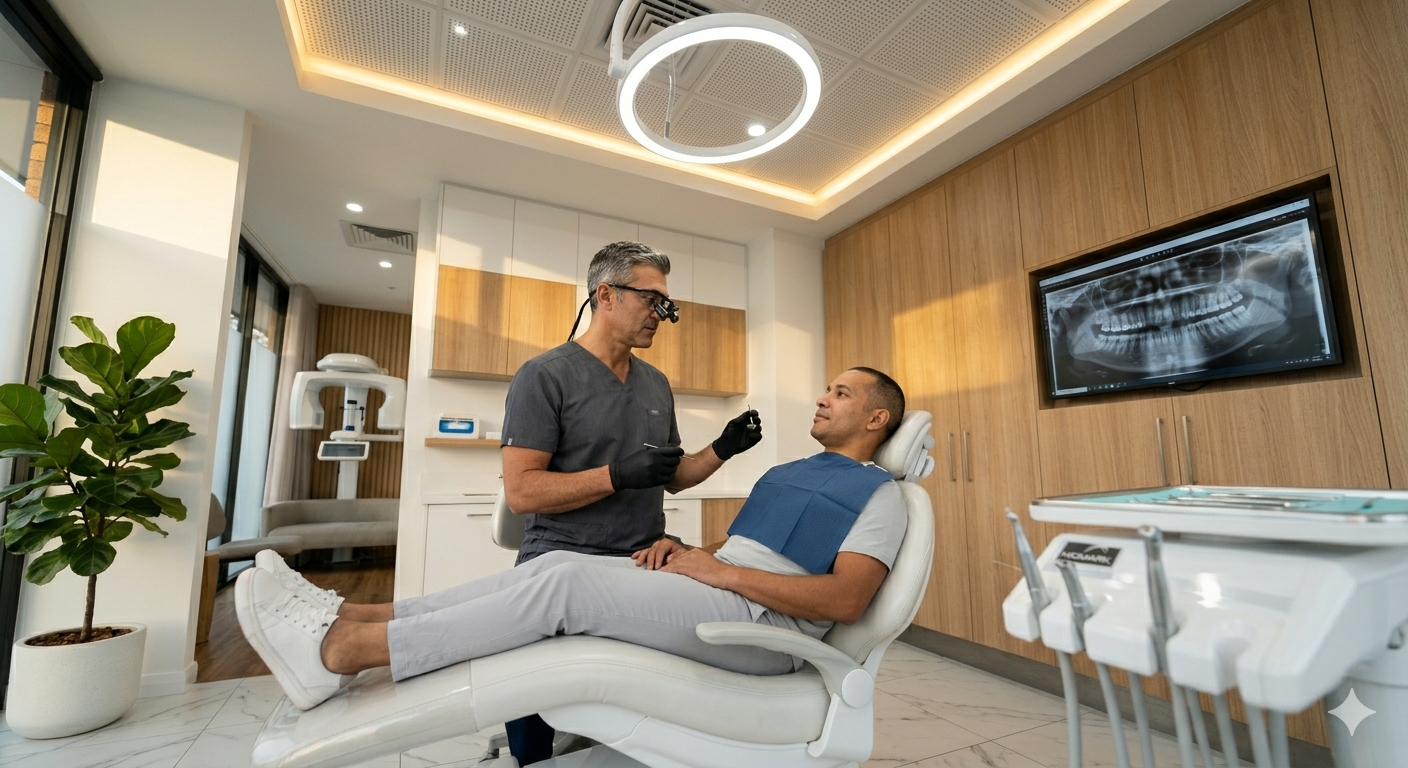
Sleep apnea can disrupt your sleep and overall health if left untreated, but effective treatment options are available in San Diego that can improve quality of life and restore restful sleep. Many local specialists use modern, patient-friendly approaches to diagnose and manage this common condition.
Treatment often starts with a thorough evaluation to understand the severity of the apnea. From there, options range from comfortable oral devices to advanced therapies, tailored to the individual’s needs and lifestyle. With the right care, many people experience significant relief and better sleep.
If someone thinks they might have sleep apnea, it’s important to consult a trusted San Diego provider who can guide them through the process. Addressing sleep apnea early can protect health and bring peace of mind.
Understanding Sleep Apnea
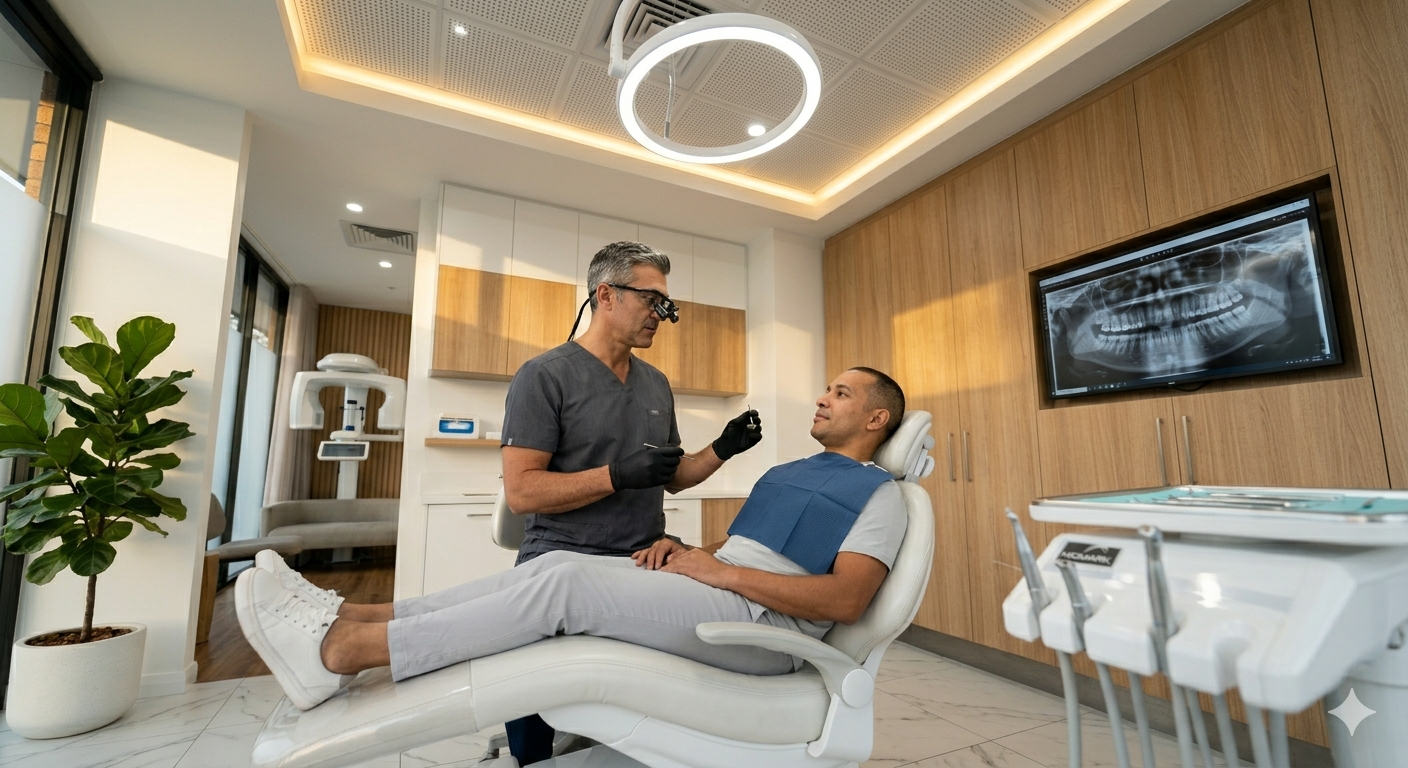
Sleep apnea is a condition that interrupts normal breathing during sleep, affecting rest and overall health. It has different forms, clear signs, and potential risks if left untreated. Knowing these details helps guide effective treatment choices.
Types of Sleep Apnea
The most common type is obstructive sleep apnea (OSA), caused by a blockage in the airway when throat muscles relax during sleep. This blockage leads to repeated pauses in breathing and often loud snoring.
Central sleep apnea occurs when the brain temporarily stops sending signals to breathe. It is less common and usually linked to medical conditions affecting brain function.
Some people experience complex sleep apnea, combining both obstructive and central elements. Proper diagnosis is important to determine the correct treatment approach for each type.
Common Signs and Symptoms
Symptoms of sleep apnea often include loud, persistent snoring interrupted by gasping or choking sounds. Pauses in breathing noticed by a partner are a key red flag.
Daytime tiredness is frequent due to disrupted sleep cycles. Other signs include morning headaches, dry mouth, difficulty concentrating, and irritability.
People with sleep apnea might also experience restless sleep or waking up suddenly. Recognizing these symptoms early can lead to timely evaluation and care.
Health Risks Associated With Untreated Sleep Apnea
Untreated sleep apnea increases the risk of high blood pressure, heart disease, and stroke. It can also worsen diabetes control and contribute to weight gain.
Frequent sleep disruptions lead to poor mental focus and increase the chance of workplace or driving accidents. Mood changes, such as anxiety or depression, may also occur.
Because sleep apnea affects oxygen levels, it strains the heart and lungs over time. Early treatment helps reduce these risks and improve quality of life.
How San Diego’s Climate and Lifestyle Impact Sleep Health
San Diego’s mild climate and active lifestyle shape many aspects of residents’ health, including sleep quality. Environmental factors like allergens and air quality, combined with habits common along the coast, influence the prevalence and management of sleep apnea.
Local Allergens and Air Quality
San Diego experiences seasonal pollen shifts from plants like sagebrush and ragweed that can irritate nasal passages. This inflammation may worsen breathing issues during sleep, increasing the risk of sleep apnea symptoms.
The coastal breeze helps reduce airborne pollutants, but occasional wildfires raise fine particulate matter levels. Poor air quality episodes can exacerbate airway inflammation and disrupt restful sleep.
Residents often use air purifiers and maintain clean indoor environments to combat allergens. Keeping windows closed during high pollen days and monitoring local air quality indexes helps protect respiratory health and supports better sleep.
Lifestyle Factors in Coastal Communities
Many San Diegans embrace outdoor activities such as walking, surfing, and yoga, which promote general wellness and can improve sleep patterns. Regular exercise helps reduce weight, a key factor in managing obstructive sleep apnea.
Despite healthy habits, late-night socializing and exposure to screen light may delay sleep onset. Coastal communities also face unique challenges like earlier wake times due to outdoor routines that influence overall sleep duration.
Healthy evening routines, like limiting caffeine and establishing winding-down practices, are common recommendations by local sleep specialists. These small adjustments support the natural circadian rhythm amid a busy lifestyle by the sea.
Exploring Diagnostic Options in San Diego
When dealing with sleep apnea, accurate diagnosis is the first step toward effective treatment. San Diego offers several diagnostic methods that balance convenience, comfort, and thorough evaluation.
In-Home Sleep Testing
In-home sleep testing is a practical option for many patients. It allows individuals to undergo monitoring in the comfort of their own beds, without the need for an overnight stay at a sleep center.
The test typically involves wearing a simple device that tracks breathing patterns, oxygen levels, heart rate, and airflow. Patients receive clear instructions on how to set up the equipment. This option is especially suitable for those with busy schedules or mild to moderate symptoms.
While in-home tests provide valuable initial data, they may not capture as much detail as lab-based studies. However, many San Diego providers consider these tests reliable enough to begin treatment planning.
Specialist Evaluations
Consulting a sleep specialist in San Diego is crucial for a thorough assessment. Specialists conduct detailed reviews of medical history, symptoms, and risk factors before recommending diagnostic steps.
In-person evaluations often include physical exams focused on the airway, jaw, and neck structure. Specialists may also ask about lifestyle factors like weight, smoking, and alcohol use, which influence sleep apnea severity.
Based on the initial consultation, they decide whether an in-lab sleep study or in-home testing suits the patient best. The specialist’s expertise ensures the diagnostic approach is customized and comprehensive.
Interpreting Your Results
Understanding sleep test results can feel overwhelming. San Diego providers take time to explain the findings clearly, focusing on what the numbers mean for the patient’s health.
Results will show the apnea-hypopnea index (AHI), which measures breathing interruptions per hour. An AHI under 5 is usually normal, 5-15 suggests mild sleep apnea, 15-30 is moderate, and over 30 indicates severe sleep apnea.
Alongside AHI, other details like oxygen desaturation levels and sleep stages are discussed. This information helps tailor a treatment plan that fits the patient’s specific needs and lifestyle.
Patients are encouraged to ask questions and express concerns to ensure they fully understand their diagnosis and next steps.
Modern Treatment Approaches
Sleep apnea treatment has evolved with advancements that focus on comfort, effectiveness, and patient lifestyle. Options range from device therapies to surgical methods, tailored to the severity and type of apnea.
CPAP Therapy and Device Advancements
Continuous Positive Airway Pressure (CPAP) remains the most common treatment for obstructive sleep apnea (OSA). It works by delivering a steady stream of air through a mask, keeping airways open during sleep. Modern CPAP machines are quieter, more compact, and come with features like humidifiers to reduce dryness.
Newer devices also offer smart technology, tracking sleep patterns and adjusting pressure automatically. Many models now include masks designed for comfort and minimal distraction. Patients often find these updates improve adherence and reduce discomfort, making CPAP therapy more manageable.
Oral Appliance Therapy
Oral appliances are custom-made devices worn in the mouth during sleep. They work by repositioning the jaw or tongue to prevent airway obstruction. This option suits mild to moderate sleep apnea or patients who find CPAP cumbersome.
These devices are less invasive and portable, making them popular for travel or those hesitant about masks. A dental specialist typically fits the appliance after an evaluation. Regular follow-ups ensure the device fits well and continues to provide relief without causing jaw pain.
Surgical Procedures for Severe Cases
Surgery is considered when less invasive treatments fail or apnea is severe. Several surgical options exist, including uvulopalatopharyngoplasty (UPPP), which removes excess tissue from the throat, or maxillomandibular advancement to enlarge the airway.
More targeted procedures like hypoglossal nerve stimulation use implantable devices to keep the airway open. Surgery often involves a thorough assessment, including imaging and sleep studies, to select the best approach. Recovery varies but aims at long-term improvement for patients with persistent apnea.
Finding Patient-Centered Care Locally
Patients with sleep apnea in San Diego can access care that is both comprehensive and tailored to their individual needs. This approach often involves working with a team of experts and creating plans that fit each person’s lifestyle and health goals.
Collaboration With Sleep Specialists
Effective sleep apnea treatment in San Diego usually involves close coordination between dentists and sleep medicine specialists. Dentists with experience in oral appliance therapy collaborate with pulmonologists or sleep physicians to ensure accurate diagnosis and monitoring.
This teamwork helps integrate therapies like CPAP machines and dental devices, improving comfort and effectiveness. Regular communication between providers allows adjustments based on patient progress and preferences, making the care both dynamic and responsive.
Patients benefit from this shared expertise because it balances medical oversight with dental solutions designed specifically for sleep apnea symptoms, providing a well-rounded care strategy.
Personalized Treatment Planning
Treatment plans for sleep apnea are tailored to the severity of the condition, lifestyle, and personal comfort. Providers in San Diego often start with a thorough evaluation, including sleep studies and oral examinations, to identify the best course of action.
Options range from custom oral appliances to lifestyle modifications and advanced therapies. Dentists work closely with patients to choose devices that fit comfortably and suit habits like snoring or mouth breathing.
Ongoing follow-ups focus on adjusting treatment to achieve better sleep quality and reduce daytime symptoms. Patient preferences and feedback play a critical role in fine-tuning therapy, ensuring care feels supportive and manageable.
Embracing Lifestyle Changes for Better Results
Making simple daily adjustments can significantly complement sleep apnea treatments. Paying attention to diet, sleep habits, and stress levels often improves the effectiveness of medical interventions.
Weight Management and Nutrition
Excess weight, especially around the neck, can worsen sleep apnea by narrowing the airway. Shedding as little as 10% of body weight can reduce symptoms and improve breathing during sleep. A balanced diet rich in fruits, vegetables, lean proteins, and whole grains supports healthy weight loss and overall well-being.
Limiting alcohol and caffeine intake is crucial since both can interfere with sleep quality and relax throat muscles, increasing airway blockage. Staying hydrated also helps keep mucus thin, which aids in easier breathing. Consulting a nutritionist or using local San Diego weight management programs can offer personalized guidance.
Improving Sleep Hygiene
Good sleep hygiene sets the foundation for managing sleep apnea. Establishing a consistent sleep schedule helps regulate the body’s internal clock, making it easier to fall and stay asleep. Avoiding screen time at least an hour before bed reduces blue light exposure, which can disrupt melatonin production.
Creating a calm, dark, and quiet bedroom environment encourages uninterrupted rest. Using supportive pillows and sleeping on one’s side rather than the back can reduce airway obstruction. San Diego residents may find specialized sleep clinics helpful in recommending adjustments tailored to individual needs.
Exercise and Stress Reduction
Regular physical activity can ease sleep apnea symptoms by improving cardiovascular health and promoting weight loss. Moderate exercises like walking, swimming, or cycling are excellent choices that most people can stick with.
Managing stress through relaxation techniques such as deep breathing, meditation, or yoga also benefits sleep. Stress tends to increase muscle tension and disrupt sleep cycles, making apnea worse. Local groups or wellness centers in San Diego often offer classes designed to blend exercise and mindfulness, providing a holistic approach to better breathing and rest.
Insurance and Affordability in San Diego
Understanding insurance coverage and payment options can make sleep apnea treatment more accessible. Local resources and flexible plans often help patients manage costs without sacrificing care. It’s important to know what insurance typically covers and what alternatives exist.
Navigating Coverage for Treatment Options
Most major insurance plans in San Diego cover standard sleep apnea treatments like CPAP machines and oral appliances. Coverage usually requires a formal diagnosis through a sleep study, often covered by the insurer as well.
Patients should confirm if their plan includes durable medical equipment (DME) benefits. This can reduce out-of-pocket expenses significantly. Some plans require pre-authorization or specific documentation before approving treatment.
Dental devices for mild to moderate sleep apnea might have different coverage rules than CPAP machines. It’s best to check with both the insurer and the provider to understand exact benefits and any copayments or deductibles.
Payment Plans and Local Resources
Many San Diego dental practices offer payment plans that break down costs into manageable monthly amounts. These plans can make ongoing treatment easier to afford, especially for devices that need replacement or adjustment over time.
Community health centers and nonprofit organizations sometimes provide financial assistance or discounted rates for sleep apnea screening or treatment. Local programs may focus on underserved populations or those without comprehensive insurance.
Patients can also explore CareCredit and similar healthcare credit cards as an alternative payment method. These options often come with low or 0% interest for a promotional period, helping to spread treatment costs without added financial stress.
Preventive Care and Ongoing Support
Proper management of sleep apnea doesn’t stop after treatment begins. Regular check-ins and strong communication with healthcare providers ensure the therapy remains effective and adapts to changes in the patient’s condition.
Follow-Up Visits and Monitoring
Follow-up visits are essential to track how well the treatment is working. During these appointments, specialists evaluate symptoms, check device fit if using CPAP machines, and may adjust settings for comfort and effectiveness.
Patients might undergo repeat sleep studies or use monitoring apps to assess sleep quality and breathing patterns. These tools help detect subtle changes early and prevent complications. Consistent follow-ups also allow healthcare providers to address any side effects or discomfort, keeping treatment manageable.
Building a Long-Term Relationship With Your Care Team
A solid ongoing relationship between patients and their care team fosters better outcomes. Open communication encourages patients to share concerns or lifestyle changes that could affect their sleep apnea.
Care teams typically include sleep specialists, dentists, and sometimes respiratory therapists. By working together, they create personalized care plans that evolve with the patient’s needs. This collaboration supports motivation, helps maintain healthy habits, and encourages adherence to treatments over time.
Getting Started on Your Path to Better Sleep
When someone suspects they have sleep apnea, the first step is usually a professional evaluation. A sleep specialist or dentist in San Diego can perform a simple screening to determine if further testing is needed.
Common symptoms to watch for include:
- Loud snoring
- Pauses in breathing during sleep
- Excessive daytime tiredness
If these signs sound familiar, a sleep study may be recommended. This test records breathing patterns, oxygen levels, and body movements while sleeping.
Treatment options vary depending on the severity of apnea. For mild cases, lifestyle changes like weight loss or adjusting sleep positions can help. More moderate to severe cases often require devices like a CPAP (Continuous Positive Airway Pressure) machine or oral appliances designed to keep airways open.
Patients should feel confident discussing concerns with their provider. Many modern treatments are comfortable and customizable. Providers in San Diego focus on making the experience as smooth as possible.
Taking that first step toward diagnosis and treatment is important. It can improve sleep quality, energy levels, and overall health. Encouraging a consultation with a local sleep expert or dentist is the best way to start this journey.
Frequently Asked Questions
Many people wonder how to tell if their snoring signals a more serious problem or what to do if CPAP therapy isn’t comfortable. Questions also arise about sleep testing, diagnosis details, choosing the right specialist, and where to get proper equipment in San Diego.
How do I know whether my snoring is just annoying—or a sign of a bigger breathing problem at night?
Loud, regular snoring accompanied by daytime sleepiness, morning headaches, or restless sleep can indicate sleep apnea. If a partner notices pauses in breathing or gasping during sleep, it’s a sign to get evaluated.
What are my options if I can’t tolerate CPAP, and are dental appliances a comfortable alternative?
Dental appliances designed by sleep dentists can gently reposition the jaw to keep airways open. For many, these oral devices offer a more comfortable, less bulky alternative to CPAP masks.
How does a home sleep test compare to an overnight sleep study, and which one is right for me?
Home sleep tests monitor breathing and oxygen levels in familiar surroundings, usually for uncomplicated cases. Overnight sleep studies provide a detailed look with brain activity monitoring and are preferred for complex or unclear symptoms.
What does the “4% rule” mean when sleep specialists score breathing events, and why does it matter for diagnosis?
The “4% rule” refers to counting only breathing interruptions that cause a 4% drop in blood oxygen levels. This helps ensure the diagnosis focuses on significant breathing disruptions, avoiding overdiagnosis.
How do I choose the right sleep specialist or sleep center, and what should I expect at my first visit?
Look for board-certified sleep specialists and centers with good patient reviews and modern diagnostic tools. Your first appointment usually involves discussing symptoms, medical history, and possibly arranging a sleep study.
Where can I get properly fitted CPAP masks and supplies locally, and how often should they be replaced?
San Diego has several durable medical equipment providers specializing in CPAP masks and supplies. Masks typically last 3 to 6 months, while tubing and filters need frequent replacement to maintain effectiveness and hygiene.