
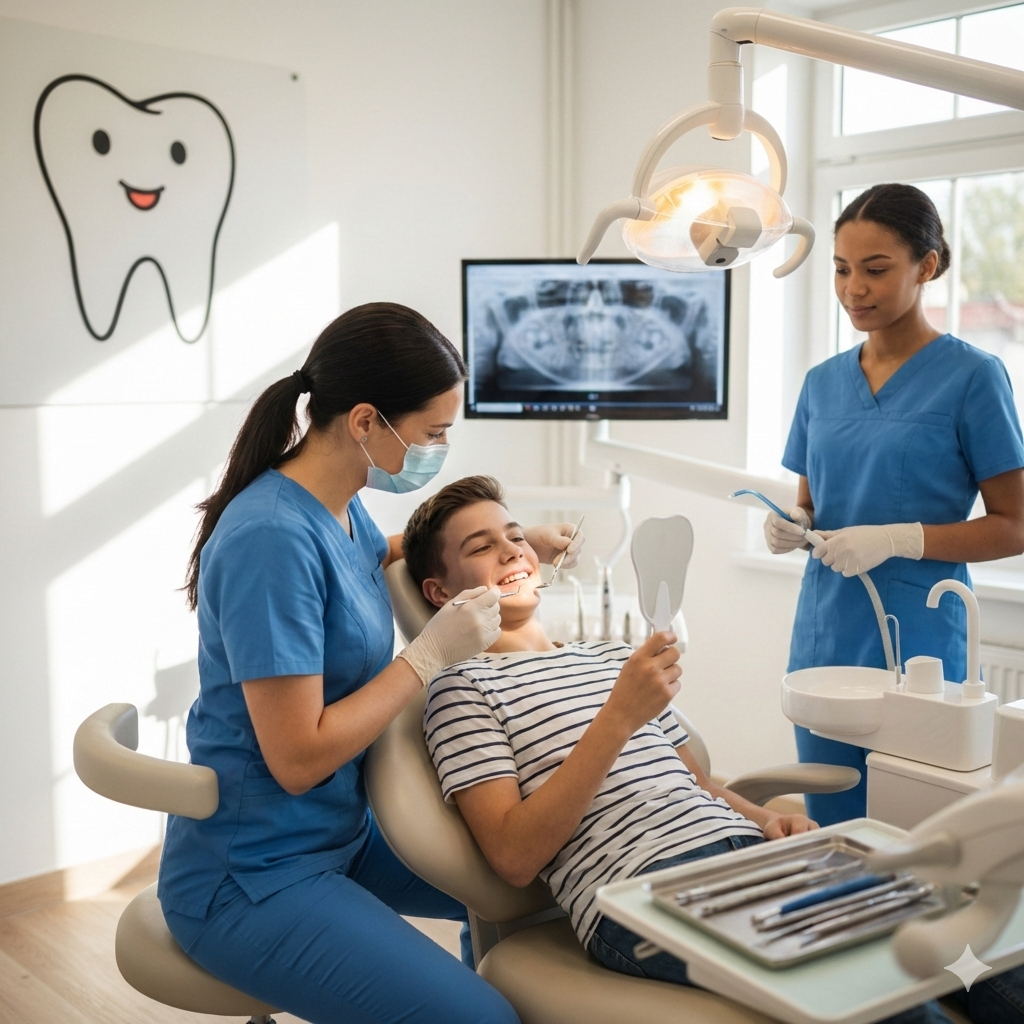
When it comes to teeth whitening options in San Diego, patients have several choices that balance effectiveness and comfort. Professional in-office treatments offer quick, noticeable results, while custom take-home kits provide convenience and control over whitening pace. Over-the-counter products are also available but may not deliver the same level of brightness.
The best approach depends on individual needs, sensitivity levels, and lifestyle, with professional dental care often providing the safest and most predictable outcomes. Modern whitening techniques focus on patient comfort and minimizing sensitivity, ensuring a positive experience for those seeking a brighter smile.
Understanding these options helps patients make informed decisions that fit their goals and schedules. Consulting with a local dental expert can guide them to the most suitable treatment and maintain a healthy, confident smile.
Understanding Teeth Whitening Options in San Diego
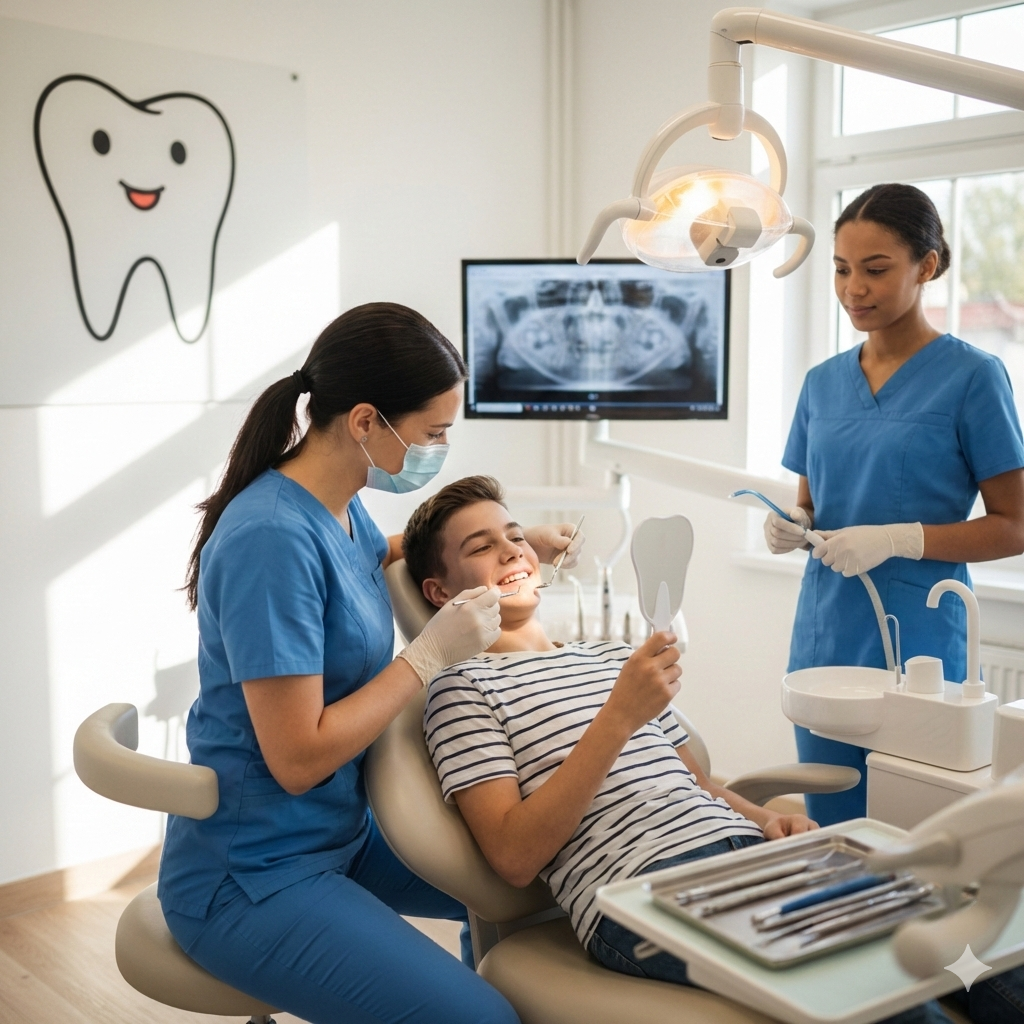
Teeth whitening choices vary based on the cause of discoloration, how the treatment works, and what fits a person’s lifestyle and sensitivity. Knowing these factors helps in picking the best method for a brighter smile.
What Causes Tooth Discoloration?
Tooth discoloration often results from staining foods and drinks like coffee, tea, and red wine. Smoking is another major factor that darkens teeth over time.
Aging naturally dulls enamel, revealing the yellowish dentin beneath. Certain medications and poor dental hygiene can also contribute. Some discoloration happens internally, due to trauma or fluoride exposure during childhood, which whitening may not fix.
Understanding the source helps dentists recommend the most effective approach to restore a natural look safely.
How Teeth Whitening Works
Teeth whitening uses bleaching agents like hydrogen peroxide or carbamide peroxide to break down stains. These chemicals penetrate enamel and lighten pigments, brightening tooth color.
In-office treatments often use stronger agents and special lights to speed results, usually within one visit. At-home kits provide slower, gradual whitening with lower peroxide levels and custom trays, ideal for sensitivity management.
Whitening doesn’t damage teeth when done correctly; it targets surface and internal stains but won’t change dental restorations like crowns or fillings.
Choosing the Right Whitening Option
Choosing a whitening method depends on lifestyle, budget, and dental health. In-office whitening is best for immediate, noticeable results but costs more. At-home options offer convenience and affordability but take longer.
People with sensitive teeth should prioritize gentler formulas or shorter application times. Some San Diego dental offices combine both methods for balanced results.
Consulting a dentist ensures the treatment suits the individual’s teeth condition and discoloration cause while maintaining comfort and safety.
Professional Teeth Whitening at San Diego Dental Offices
San Diego dental offices offer targeted whitening methods designed to suit different lifestyles and preferences. These treatments combine professional-grade products with personalized care, ensuring effective results while minimizing sensitivity.
In-Office Whitening Treatments
In-office whitening is ideal for patients seeking quick, noticeable results. The dentist uses strong bleaching agents like hydrogen peroxide or carbamide peroxide, often activated with a special light or laser to speed up the process.
Sessions typically last about 60 to 90 minutes. Patients usually see teeth brighten by several shades after just one visit. Dentists also protect gums and soft tissues during treatment to reduce discomfort.
This method is closely supervised, allowing the team to adjust treatment based on sensitivity and progress. It’s a reliable choice for stains caused by coffee, wine, or aging.
Customized Take-Home Whitening Kits
Take-home kits provided by San Diego dentists combine convenience with professional quality. They include custom-fitted trays made from impressions of the patient’s teeth, ensuring even gel distribution and less gum irritation.
Patients apply a dentist-prescribed whitening gel daily, typically for one to two weeks. The gel is often lower in peroxide concentration than in-office options but still effective and gentler on sensitive teeth.
These kits offer flexibility, allowing users to whiten their teeth on their schedule. Dentists provide guidance on correct usage and follow-up care to maximize and maintain results safely.
At-Home Whitening Solutions Available Locally
Many people in San Diego prefer whitening options that fit easily into their daily routine and budget. These solutions offer convenience without requiring a dental visit, using ingredients designed to reduce surface stains and brighten smiles gradually.
Over-the-Counter Whitening Products
Over-the-counter (OTC) whitening products include gels, pens, and trays available at local pharmacies and stores. They typically contain carbamide peroxide or hydrogen peroxide in concentrations lower than professional treatments. This makes them safer for everyday use but slower to show significant results.
Users should follow the instructions carefully to avoid tooth sensitivity or gum irritation. Popular products like whitening pens allow for quick touch-ups, while trays molded for one-size-fits-most provide consistent contact with teeth. These options are effective for maintaining whiteness after professional treatments or addressing mild discoloration.
Whitening Toothpaste and Strips
Whitening toothpaste works by removing surface stains through mild abrasives rather than bleaching agents. It’s ideal for maintaining a bright smile but usually won’t change the natural tooth color dramatically.
Whitening strips contain thin layers of peroxide-based gel applied directly to teeth. Brands found in San Diego stores offer various treatment lengths, commonly 10-14 days. They can provide noticeable whitening but require consistent use and come with a caution for sensitive teeth.
Both toothpaste and strips are user-friendly, with most products designed for convenience and minimal mess. Users should avoid overuse to prevent enamel damage and consult a dental professional if sensitivity occurs.
Comparing Results: Professional Versus At-Home Whitening
Teeth whitening methods vary in speed, intensity, and results. Understanding these differences helps patients choose the best option for their lifestyle, budget, and oral health needs.
Effectiveness and Longevity
Professional whitening treatments use stronger bleaching agents, often with concentrations between 15-43% hydrogen peroxide. This allows for more noticeable results in a single session, typically lightening teeth by 3-8 shades. Results can last up to 1-2 years when maintained well.
At-home kits contain lower peroxide levels, around 3-10%. They require consistent daily use for 1-2 weeks to see changes, usually lightening by 1-3 shades. Effects tend to fade sooner, often within 6 months, depending on diet and habits.
Both methods can improve staining from coffee, tea, or smoking, but professional whitening better handles deeper discoloration.
Safety Considerations
Professional whitening involves dental supervision, ensuring customized treatment and minimizing risks like gum irritation or tooth sensitivity. Dentists screen for cavities or gum disease before starting, preventing complications.
At-home products lack direct supervision and may cause uneven whitening or overuse injuries if guidelines aren’t followed. Patients with sensitive teeth or restorations should consult a dentist before use, as some kits aren’t suitable.
Using desensitizing toothpaste before and after whitening can reduce discomfort regardless of method. Regular dental checkups support safe and effective whitening results.
Caring for Your Smile After Whitening
Keeping your smile bright involves some specific habits and choices after whitening treatments. Following proper care routines and avoiding certain foods and habits can help preserve those results longer and protect your teeth.
Maintaining Whitening Results
To maintain whitening effects, it’s important to practice good oral hygiene. Brushing twice daily with a non-abrasive toothpaste helps prevent surface stains without damaging enamel.
Regular flossing removes plaque that can dull your smile. Using a whitening toothpaste occasionally can also maintain brightness but avoid overuse to prevent sensitivity.
Touch-up treatments may be recommended by dental professionals every six months to a year, depending on your lifestyle and the whitening method used.
Scheduling routine dental cleanings ensures any new surface stains are professionally removed, keeping your teeth looking their best.
Foods and Habits to Avoid
Certain foods and drinks can quickly stain teeth after whitening. Avoid coffee, tea, red wine, and dark sodas for at least 48 hours post-treatment to reduce discoloration risk.
Colored sauces like soy, tomato, and curry should also be limited, as they may affect whitened enamel. Smoking or using tobacco products significantly undermines whitening efforts and damages oral health.
It helps to drink through a straw and rinse your mouth with water after consuming staining items when avoiding them isn’t possible.
Being mindful of these habits will extend the life of your whitening results and support overall dental health.
Who is a Good Candidate for Teeth Whitening?
Teeth whitening works best for people with healthy teeth and gums who want to brighten their smile from everyday stains. Not everyone should undergo whitening treatments without proper dental checks, as certain conditions might require alternative solutions or additional care.
Assessing Oral Health Before Whitening
Before starting any whitening treatment, a thorough oral exam is essential. Dentists look for cavities, gum disease, and sensitive teeth, as these issues can worsen with whitening agents. If a patient has untreated dental problems, those need to be addressed first.
Whitening is generally recommended for individuals with natural tooth enamel discoloration caused by food, drinks, or age. However, it’s not effective on dental restorations like crowns or veneers. Dentists also check for enamel thickness to avoid irritation.
Patients with sensitive teeth might still whiten, but a tailored, gentler approach is advised. This ensures comfort while protecting oral health during treatment.
Potential Risks and How Dentists Keep You Safe
Teeth whitening is generally safe when done under professional care, but some people may experience side effects like sensitivity or gum irritation. Dentists take specific steps to minimize these risks and ensure treatments are comfortable.
Managing Tooth Sensitivity
Tooth sensitivity is common after whitening because the bleaching agents temporarily open small channels in the enamel. This can cause discomfort when eating or drinking hot, cold, or sweet foods.
Dentists address sensitivity by customizing the treatment strength and duration based on each patient’s dental history. They may recommend using a desensitizing toothpaste before and after the procedure to help block painful sensations. Some offices apply fluoride treatments to strengthen enamel and reduce sensitivity after whitening.
If sensitivity occurs, dentists advise avoiding overly acidic or very hot or cold foods for a few days. Usually, the discomfort fades quickly, especially with proper care and follow-up.
Addressing Gum Irritation
Gum irritation happens if whitening gel contacts soft tissues during treatment. The gel’s peroxide can cause mild redness, swelling, or a burning sensation.
Dentists protect gums by using custom-fitted trays or barriers that precisely cover teeth without touching gums. During in-office treatments, they carefully apply the gel and monitor the patient to prevent exposure.
If irritation does develop, rinsing the mouth with water or saline usually helps. Dentists may suggest gentle oral rinses or recommend avoiding harsh mouthwashes until the gums heal. Proper technique and dental supervision reduce the chance of irritation significantly.
Finding the Right San Diego Dentist for Whitening
Choosing the right dentist can make all the difference in the success and comfort of teeth whitening. It’s important to consider experience, patient care, and treatment options before making a decision.
What to Look for in a Whitening Provider
A qualified San Diego whitening provider should have experience specifically with whitening treatments, not just general dentistry. Look for dentists who offer a range of options, from in-office professional treatments to customized take-home kits.
Patient comfort matters. Check if the office uses modern technology, such as LED light systems or sensitivity-reducing gels, which can improve the whitening experience. Reading patient reviews and asking about the dentist’s training in cosmetic dentistry can give you a clearer picture.
The location and office environment also affect convenience and ease of visits. Choose a dentist nearby or one who offers flexible appointments to fit your schedule.
Questions to Ask During Your Consultation
During the initial consultation, it’s important to discuss your goals and any dental concerns. Ask how the dentist determines if your teeth and gums are healthy enough for whitening.
Request details about the whitening products used, how many sessions are needed, and expected results. It’s okay to ask about the potential sensitivity and what the office does to minimize discomfort.
Clarify the costs upfront, including any follow-up treatments or touch-ups. Finally, inquire about aftercare advice to maintain your brighter smile for longer.
Next Steps: Start Your Journey to a Brighter Smile
Choosing the right teeth whitening option begins with understanding personal needs and preferences. Consulting a dental professional in San Diego can help determine the safest and most effective treatment based on individual enamel sensitivity and lifestyle.
Patients can explore several paths to whiten their teeth:
| Option | Time Required | Cost Range | Key Benefit |
|---|---|---|---|
| In-office whitening | 1-2 hours | Higher | Fast, noticeable results |
| Custom take-home kits | 1-2 weeks of daily use | Moderate | Convenience at home |
| Over-the-counter products | Varies | Lower | Easy access, affordable |
Dental professionals often recommend starting with an exam to check oral health, ensuring whitening won’t cause issues like increased sensitivity. They can also provide tips on maintaining results, such as avoiding stain-causing foods and practicing good hygiene.
If gum sensitivity or other concerns arise, professionals can suggest gentler options. Patients should also feel comfortable asking questions about treatment safety and expected changes.
Making an appointment for a consultation in San Diego is a simple step toward a brighter smile. It’s a chance to discuss options, costs, and any fears. Encouraging this first visit supports confidence and comfort throughout the whitening process.
Frequently Asked Questions
Teeth whitening involves a mix of professional treatments and at-home options tailored to different needs. Safety, effectiveness, and how long results last are some of the key concerns people usually have.
What are the safest teeth whitening practices available today?
The safest methods usually involve treatments supervised by a dental professional. In-office whitening uses controlled concentrations of bleaching agents that reduce risks of sensitivity and damage.
At-home products prescribed by dentists also meet safety standards. Over-the-counter options can be safe but may not be as effective or tailored.
How long does a professional whitening treatment last?
Professional whitening results typically last from six months up to two years. This depends on diet, oral hygiene, and habits like smoking.
Regular touch-ups, following dentist advice, help maintain brightness longer.
Are there any at-home teeth whitening products that a dentist would recommend?
Dentists often recommend whitening kits with custom trays and professional-grade gel. These provide consistent results and are gentler on enamel than many store-bought products.
Whitening toothpaste and strips can supplement but usually won’t deliver dramatic changes alone.
What factors should I consider when choosing a teeth whitening treatment?
Consider tooth sensitivity, type and extent of discoloration, and your lifestyle habits. Professional consultation helps determine which method balances effectiveness and comfort.
Cost and time commitment are also important factors to discuss with your dentist.
Can teeth whitening address all types of tooth discoloration?
Whitening works best on stains caused by foods, drinks, and smoking. Discoloration from medication or trauma may require alternative treatments like veneers or bonding.
A dentist can assess the underlying cause and recommend the best solution.
How often can I whiten my teeth without causing damage?
Most dentists advise waiting at least six months between whitening sessions. Overuse can lead to enamel erosion and increased sensitivity.
Following personalized guidance keeps your smile healthy and bright.