
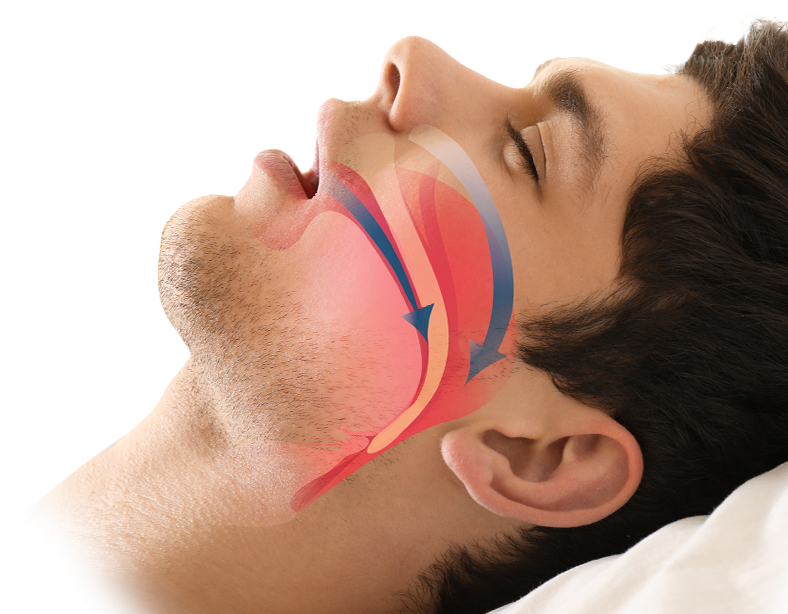
You wake up tired after a full night in bed. Your partner says you snore, gasp, or go quiet for a moment. You push through the day on coffee and willpower. Those are not just annoyances. They can be signs of sleep apnea.
Obstructive sleep apnea is when your airway collapses over and over during sleep, so your breathing stops and starts. Common signs include loud snoring, gasping or choking at night, morning headaches, dry mouth, and daytime sleepiness. A doctor diagnoses it with a sleep study. A dentist cannot diagnose it, but a dentist often spots the signs first and can treat many cases with a custom oral appliance.
At Fifth Avenue Dental Arts in Downtown San Diego, Dr. Nina Mojaver, DMD has advanced training in dental sleep medicine. She works alongside your physician, screens for the signs during routine visits, and fits oral appliances for patients who qualify.
What to know before you read on
-
Sleep apnea means your breathing repeatedly stops during sleep.
-
Loud snoring, gasping, morning headaches, and daytime fatigue are common signs.
-
Only a doctor can diagnose it, usually with a sleep study.
-
A dentist cannot diagnose sleep apnea, but can screen for it and treat many cases.
-
A custom oral appliance is a common option for mild to moderate sleep apnea.
Obstructive sleep apnea, explained
Obstructive sleep apnea, or OSA, is a sleep breathing disorder. The soft tissues at the back of your throat relax during sleep and block your airway. Your oxygen drops, your brain wakes you just enough to breathe, and the cycle repeats. This can happen dozens or even hundreds of times a night, often without you knowing.
Those constant interruptions keep you out of deep, restful sleep. The Cleveland Clinic notes that untreated OSA raises the risk of serious problems over time, including high blood pressure and heart strain. The good news is that OSA is treatable once a doctor confirms it.
What are the common signs of sleep apnea?
The clearest signs often show up at night, and a bed partner usually notices them first. Watch for loud snoring, pauses in breathing, and waking up with a gasp or choke. The Mayo Clinic lists these as the most obvious nighttime signs of OSA.
Daytime clues matter too. Many people with sleep apnea wake with a headache or a dry mouth, feel groggy no matter how long they slept, and struggle to focus. Up to 30 percent of people with OSA report morning headaches. None of these signs alone confirms sleep apnea, but together they are a strong reason to get checked.
Why might a dentist notice it first?
A dentist looks inside your mouth more often than most doctors do. During a routine checkup, a trained dentist can spot the physical clues that go with sleep apnea. These include worn teeth from grinding, a scalloped tongue, a small or crowded airway, and a red throat from mouth breathing.
Because you see your dentist twice a year, these visits are a natural screening point. A dentist with sleep training will ask about snoring, fatigue, and morning headaches when the mouth shows these signs. That is often how the conversation starts, long before many people raise it with their doctor.
Can a dentist diagnose sleep apnea?
No. A dentist cannot diagnose sleep apnea, and neither can a home gadget or an app. Only a licensed physician can diagnose it, and the diagnosis is based on a sleep study. That study measures your breathing, oxygen, and sleep through the night, either in a lab or with an approved home test.
Here is how the roles fit together. Your dentist screens for the signs and refers you for testing. A sleep physician reviews the study and makes the diagnosis. If the result is mild to moderate OSA, your dentist can step back in to provide treatment. Each professional does the part they are trained and licensed to do.
Who does what:
| Step | Who does it | What it involves |
|---|---|---|
| Screening for signs | Your dentist | Spots mouth and airway clues, asks about snoring and fatigue |
| Diagnosis | A physician / sleep doctor | Orders and reads a sleep study (lab or home test) |
| Oral appliance therapy | Your dentist | Fits and adjusts a custom device for mild to moderate OSA |
| CPAP therapy | A physician | Prescribes and manages the CPAP machine, often for severe OSA |
| Ongoing follow-up | Dentist and physician | Check the device fit, side effects, and how well symptoms improve |
How a dentist treats sleep apnea
A dentist treats many cases of sleep apnea with a custom oral appliance. This is a fitted mouthpiece you wear at night that eases your lower jaw slightly forward. That small shift helps keep your airway open, which reduces snoring and breathing pauses. The American Dental Association recognizes oral appliance therapy as a treatment for OSA.
Guidelines from sleep medicine call for a custom, adjustable appliance rather than a drugstore device. A dentist fits the appliance to your mouth, fine-tunes it over time, and checks for side effects at follow-up visits. Many patients find a well-fitted appliance easier to wear every night than a CPAP machine.
Oral appliance or CPAP, which is right?
CPAP is the standard treatment and works very well, especially for severe sleep apnea. It uses a mask and a steady stream of air to hold your airway open. The challenge is comfort. Some people cannot tolerate the mask or the airflow, so they stop using it, and a treatment only works when you use it.
An oral appliance is a strong alternative for mild to moderate OSA, or for people who cannot stick with CPAP. It is small, quiet, and easy to travel with. Your sleep physician and dentist decide together which path fits your diagnosis, and some patients use the two together. The right choice is the one you will actually use every night.
The risks of leaving it untreated
Untreated sleep apnea does more than make you tired. The repeated drops in oxygen strain your heart and raise your blood pressure over time. Research links long-term untreated OSA to a higher risk of heart disease, stroke, and problems with memory and mood. The nightly fatigue also raises the risk of accidents on the road and at work.
This is why the signs are worth acting on, not pushing aside. Treatment often brings quick wins, like deeper sleep, quieter nights, and clearer days. Addressing sleep apnea protects both your daily quality of life and your long-term health.
Getting checked in San Diego
If these signs sound familiar, the next step is simple. Start with a screening, get a proper diagnosis if you need one, and match the treatment to your case. You do not have to keep running on empty.
At Fifth Avenue Dental Arts, Dr. Nina Mojaver screens for the signs of sleep apnea, coordinates with your physician for testing, and fits oral appliances for patients who qualify. Our office sits at 450 A St #300 in Downtown San Diego, easy to reach from Little Italy, the Gaslamp Quarter, and East Village.
If snoring or daytime fatigue has worn you down, you do not have to sort it out alone. Call Fifth Avenue Dental Arts at (619) 853-6655 to book a consultation with Downtown San Diego dentists and take the first step toward better sleep.